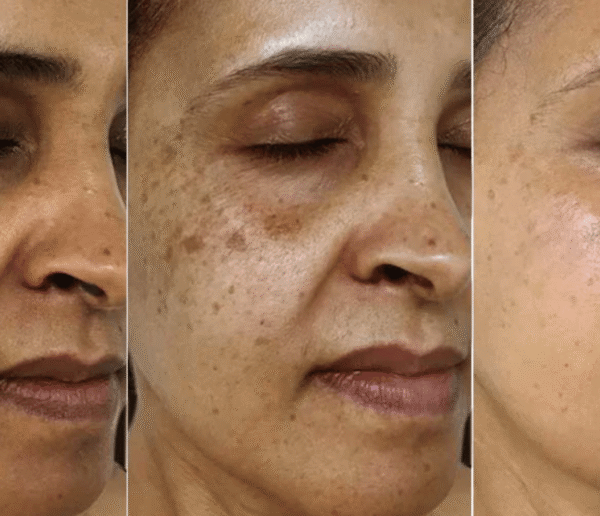



Aggressive procedures — chemical peels, laser treatments, retinol therapy, and microneedling — provide excellent long-term results, but they are almost always accompanied by temporary disruption of the skin barrier. Proper barrier restoration determines the speed of recovery, minimizes complications, and helps preserve and enhance the effect of the procedure.
For cosmetologists and aestheticians in the Benelux region — the Netherlands, Belgium, and Luxembourg — knowledge of modern approaches to barrier restoration is a key skill that increases client satisfaction and reduces the risk of post-procedure complications.
What is the skin barrier and why does it suffer?
The skin barrier is the stratum corneum of the epidermis, consisting of corneocytes and intercellular lipids — ceramides, cholesterol, and free fatty acids — in an optimal ratio of 3:1:1. It prevents transepidermal water loss — TEWL — and protects against the penetration of irritants.
Aggressive procedures disrupt this balance:
- they dissolve or remove lipids;
- they damage corneocytes;
- they increase TEWL;
- they trigger inflammation and increased sensitivity.
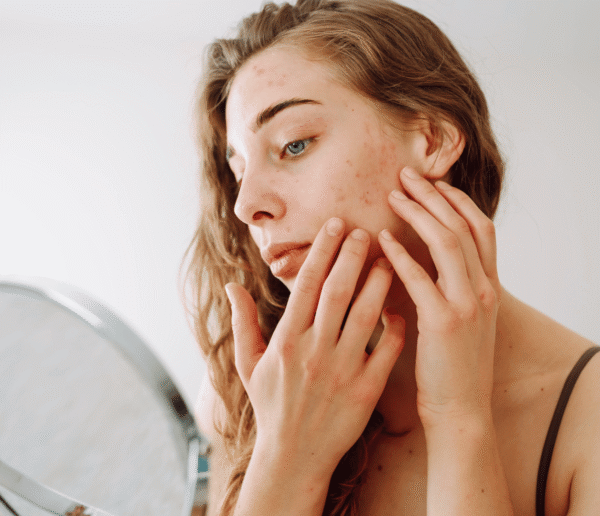
Signs of a damaged skin barrier
- a feeling of tightness and dryness, even after moisturizing;
- flaking and microcracks;
- increased reactivity and redness;
- worsening of acne or rosacea;
- reduced effectiveness of subsequent skincare products.
Modern approaches to barrier restoration
Today, the focus is not simply on moisturizing, but on biomimetic restoration — replenishing lipids in a physiological ratio, strengthening the microbiome, and minimizing inflammation.
Key ingredients for restoration
| Ingredient | Action | When especially effective |
|---|---|---|
| Ceramides | Restore the lipid matrix, reduce TEWL | After peels and lasers |
| Niacinamide 5–10% | Stimulates the synthesis of the skin’s own ceramides, soothes, regulates sebum | In post-procedure reactivity |
| Panthenol — D-panthenol | Accelerates regeneration, soothes, hydrates | Universal post-care ingredient |
| Squalane / squalene | Replenishes lipids, antioxidant effect | For dry and dehydrated skin |
| Cholesterol + fatty acids | Restore the optimal lipid ratio | In significant barrier damage |
| Centella asiatica | Anti-inflammatory and healing action | After laser procedures |
| Pre- and probiotics | Support the skin microbiome | In long-term barrier disruption |
Recovery protocol after aggressive procedures
First 24–72 hours — maximum gentleness: gentle cleansing, hydration, occlusion if necessary, and mandatory SPF.
3–7 days — active lipid restoration + antioxidants.
1–4 weeks — gradual introduction of active ingredients such as acids and retinol, only after barrier recovery has been confirmed.
Maintenance — daily barrier care for prevention.
All stages are selected individually depending on the type of procedure, phototype, and initial skin condition.
Pre-peel and post-procedure skin preparation
High-quality preparation — 2–4 weeks — reduces the degree of barrier damage. Post-procedure care begins immediately after the procedure and continues for at least 2–4 weeks. The main principles are:
- minimalist formulas;
- absence of irritating substances such as alcohol, strong surfactants, acids, and retinol during the acute phase;
- constant photoprotection.
Common mistakes in barrier recovery
- continuing to use aggressive active ingredients despite irritation;
- insufficient hydration and occlusion;
- ignoring SPF;
- returning to acids and retinol too early;
- overloaded skincare with many layers of incompatible products.
FAQ
How long does skin barrier recovery take?
From 3–7 days in mild damage to 4–6 weeks in significant damage. This is individual.
Can moisturizing products be used immediately after a peel?
Yes, this is the foundation of post-care. Give preference to textures with ceramides and panthenol.
Should all active ingredients be stopped after the procedure?
During the acute phase — yes. Gradual reintroduction begins only after the barrier has stabilized.
Does niacinamide help recovery?
Yes, it is one of the most studied ingredients for strengthening the barrier and reducing inflammation.
Can procedures be performed if the barrier is already damaged?
This is not recommended. A restorative course should be completed first.
Conclusion
Restoring the skin barrier is not simply “soothing care after a procedure,” but a full-fledged stage of an aesthetic program that directly affects the final result. Modern approaches focused on lipid restoration, minimalism, and individual product selection help clients return to a comfortable skin condition faster and fully enjoy the benefits of procedures.
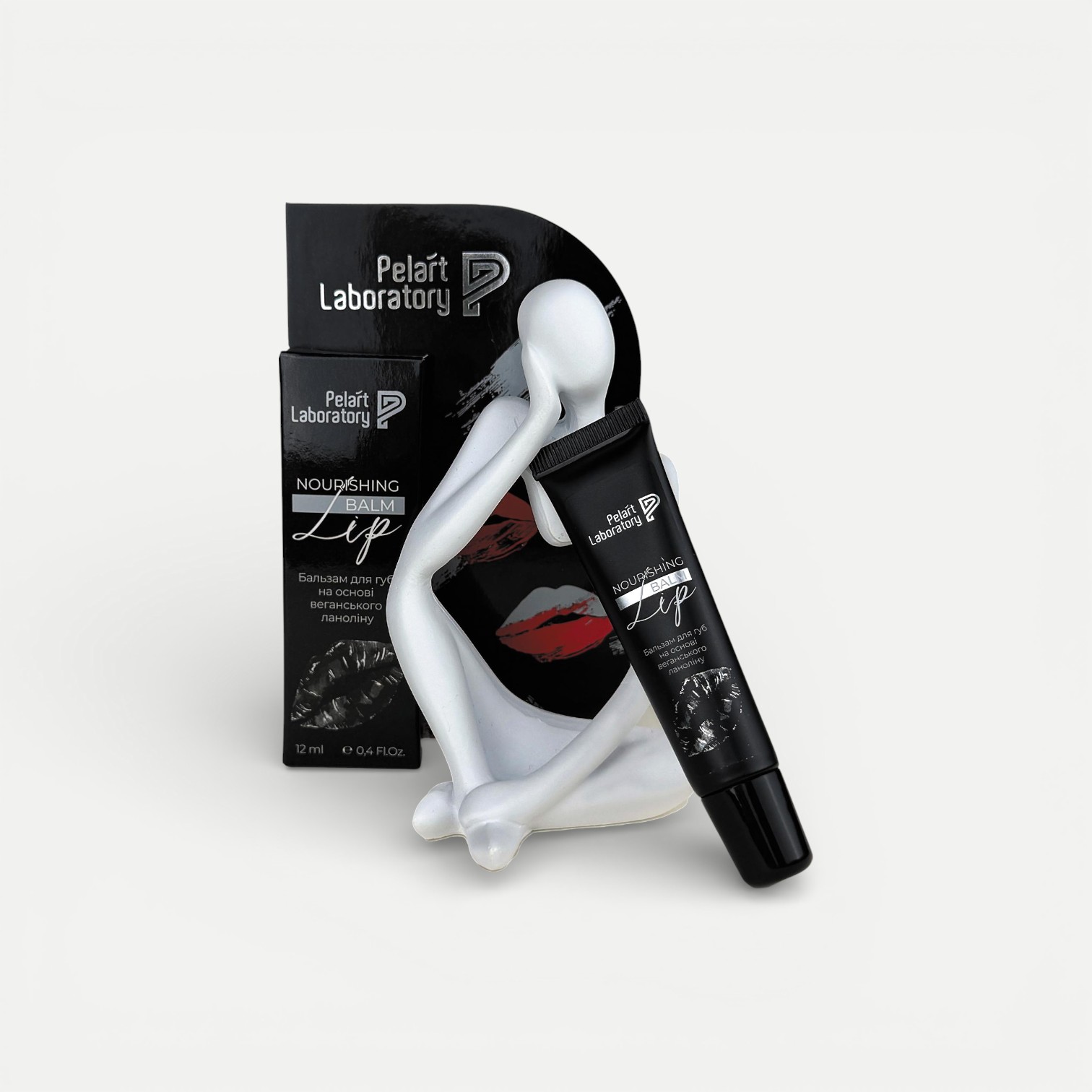
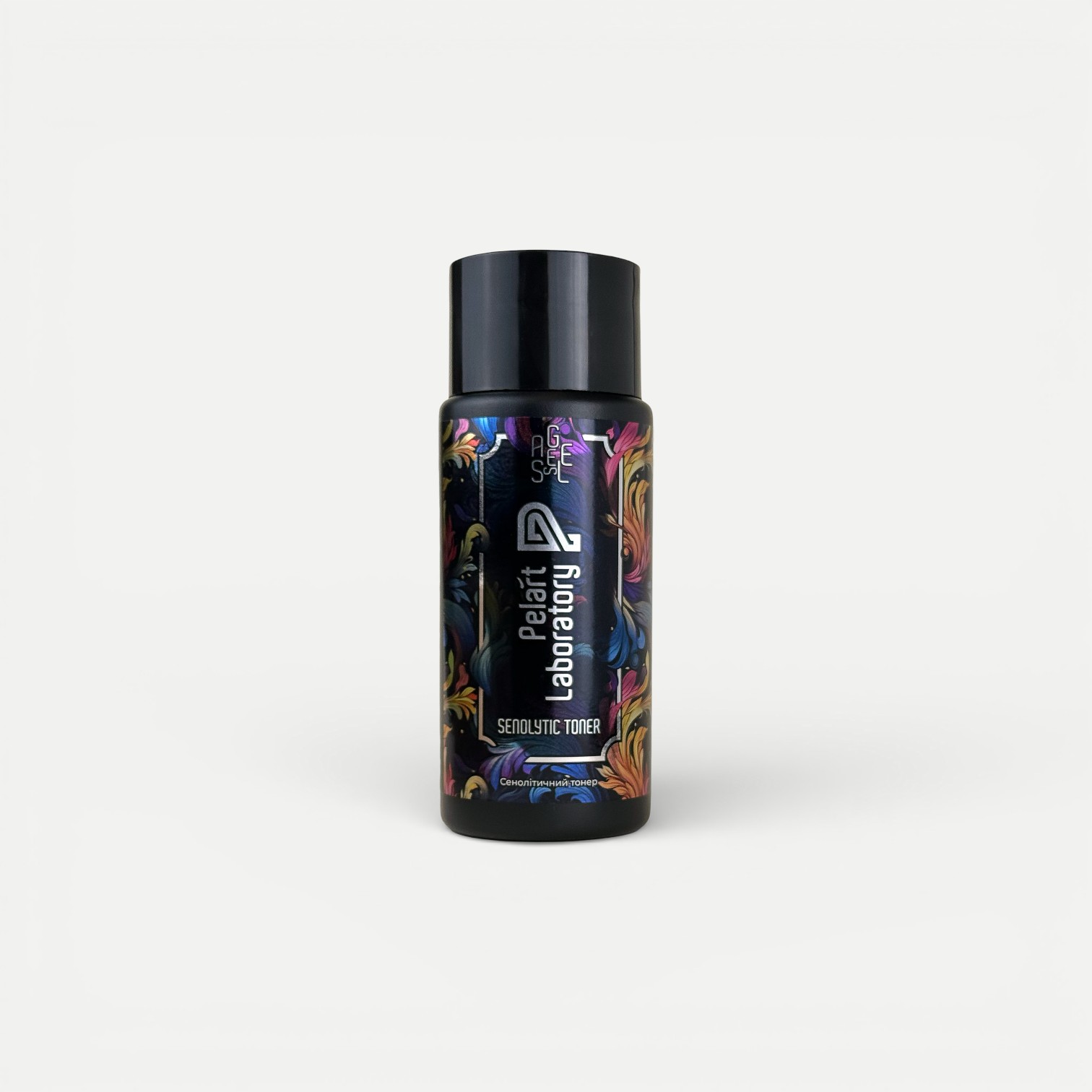
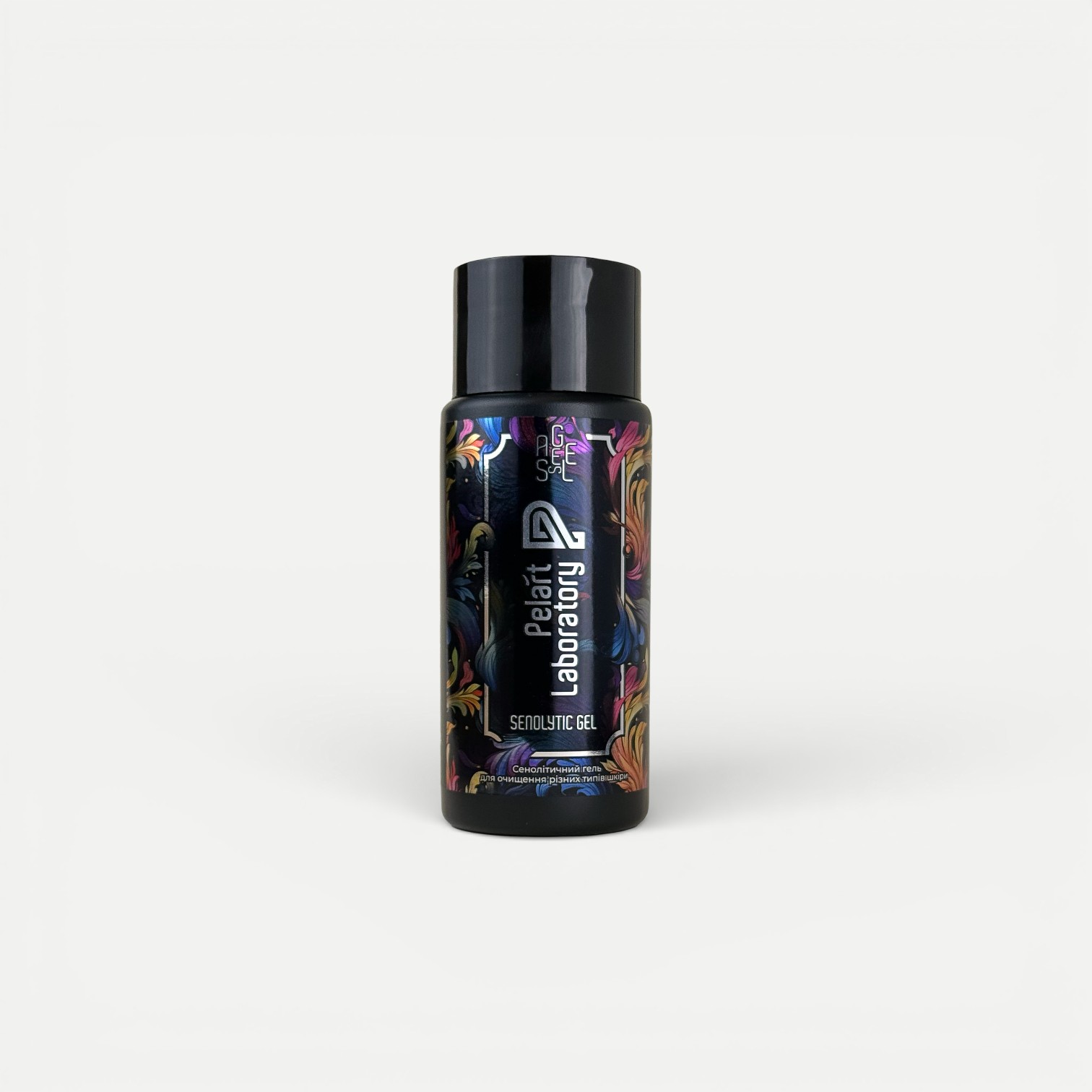
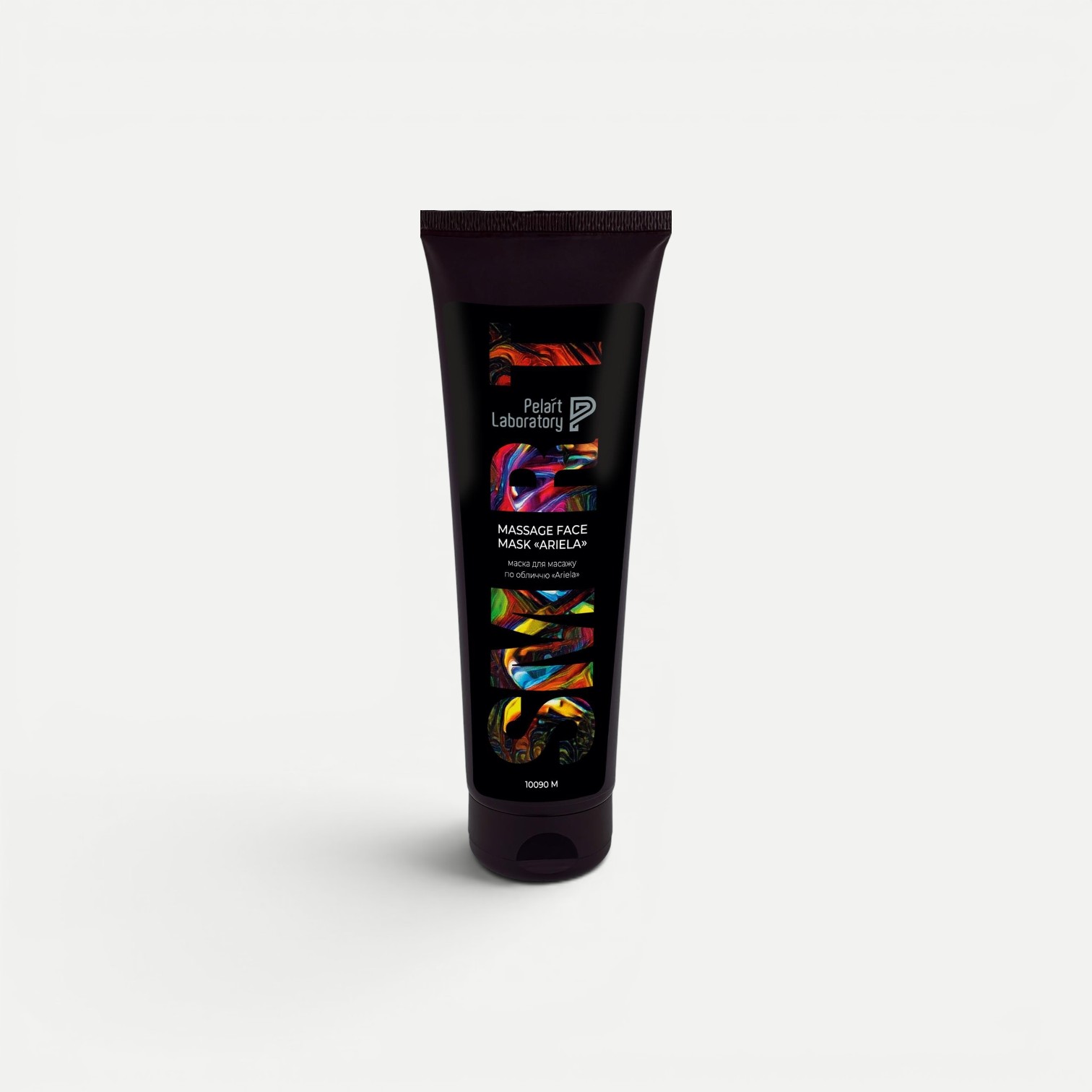
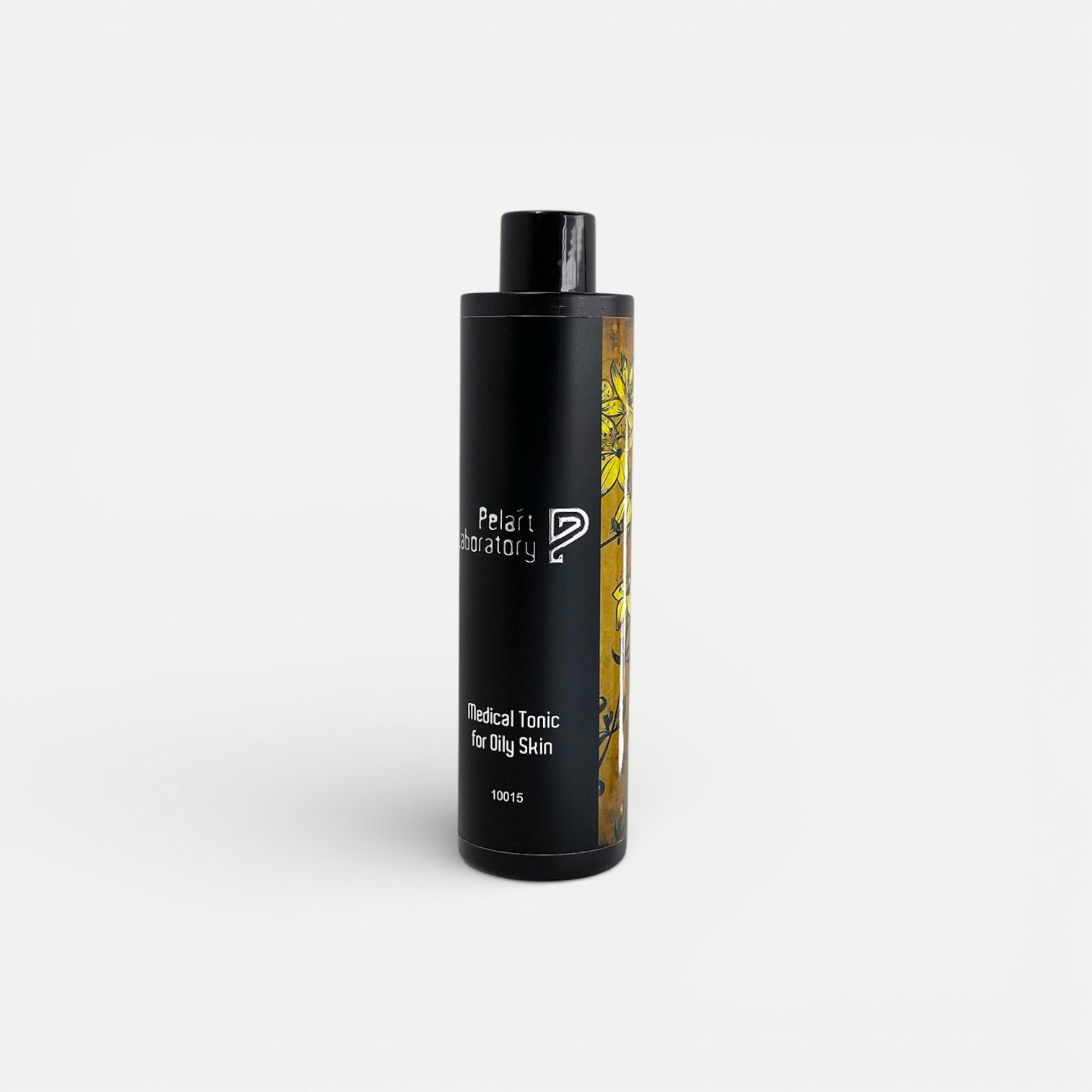
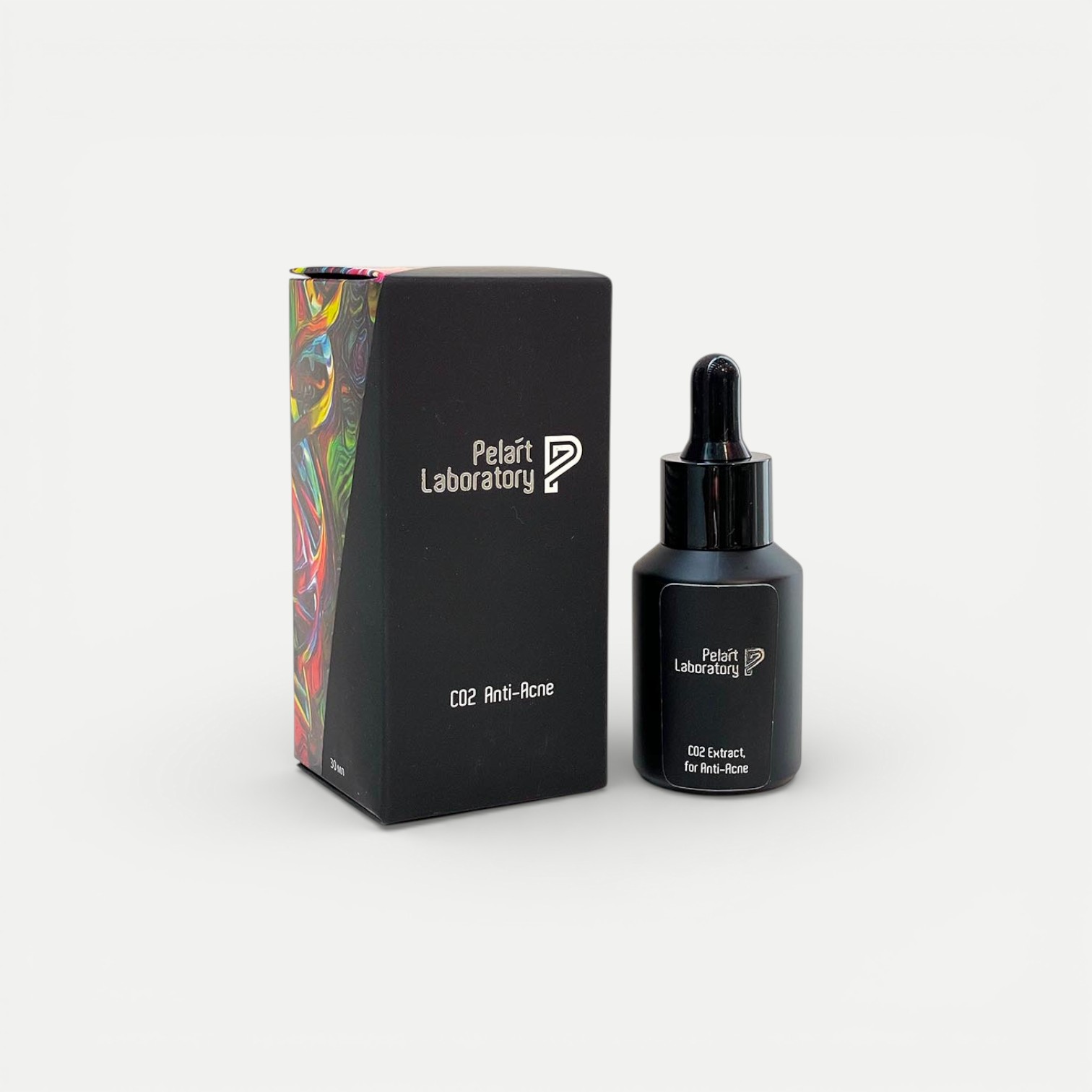
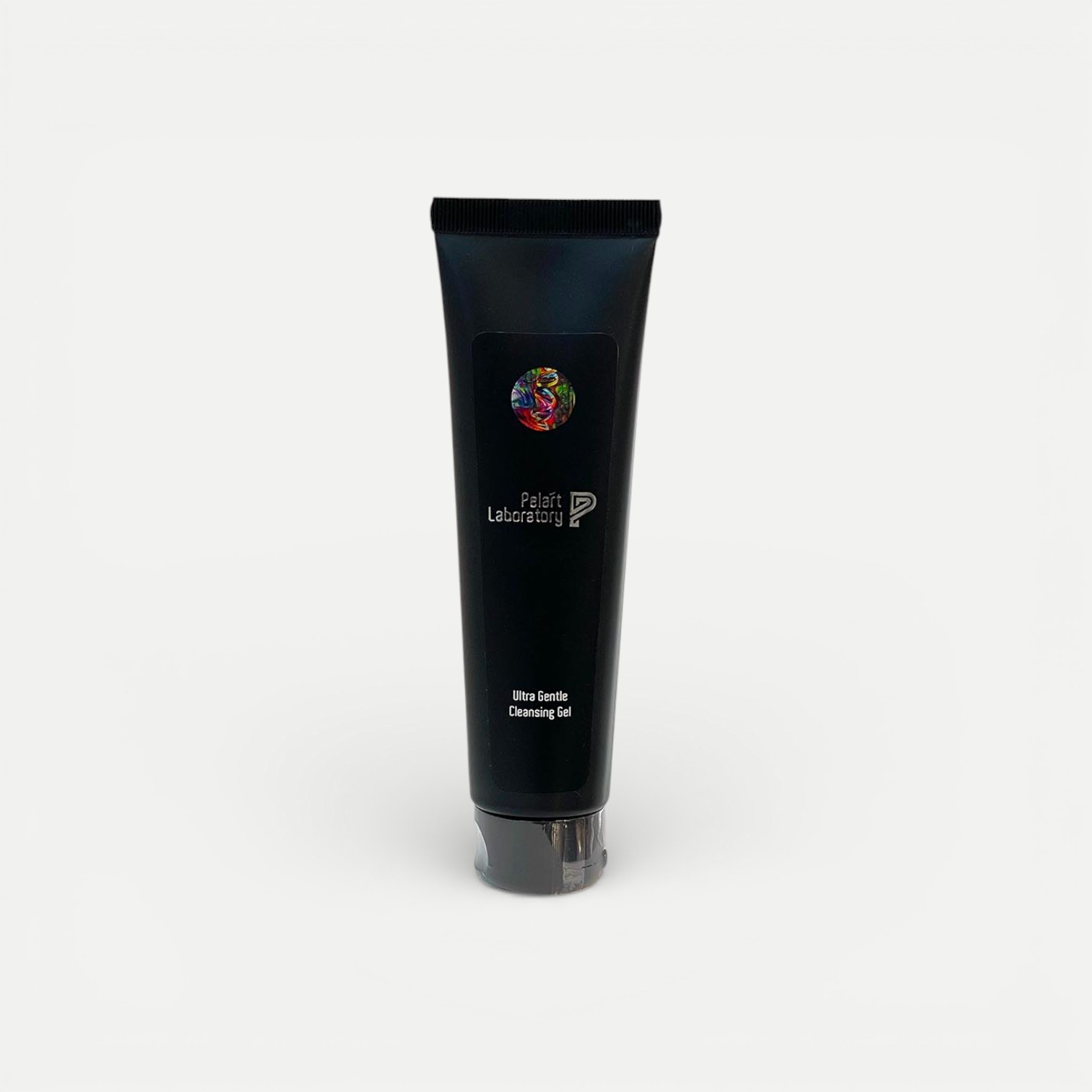
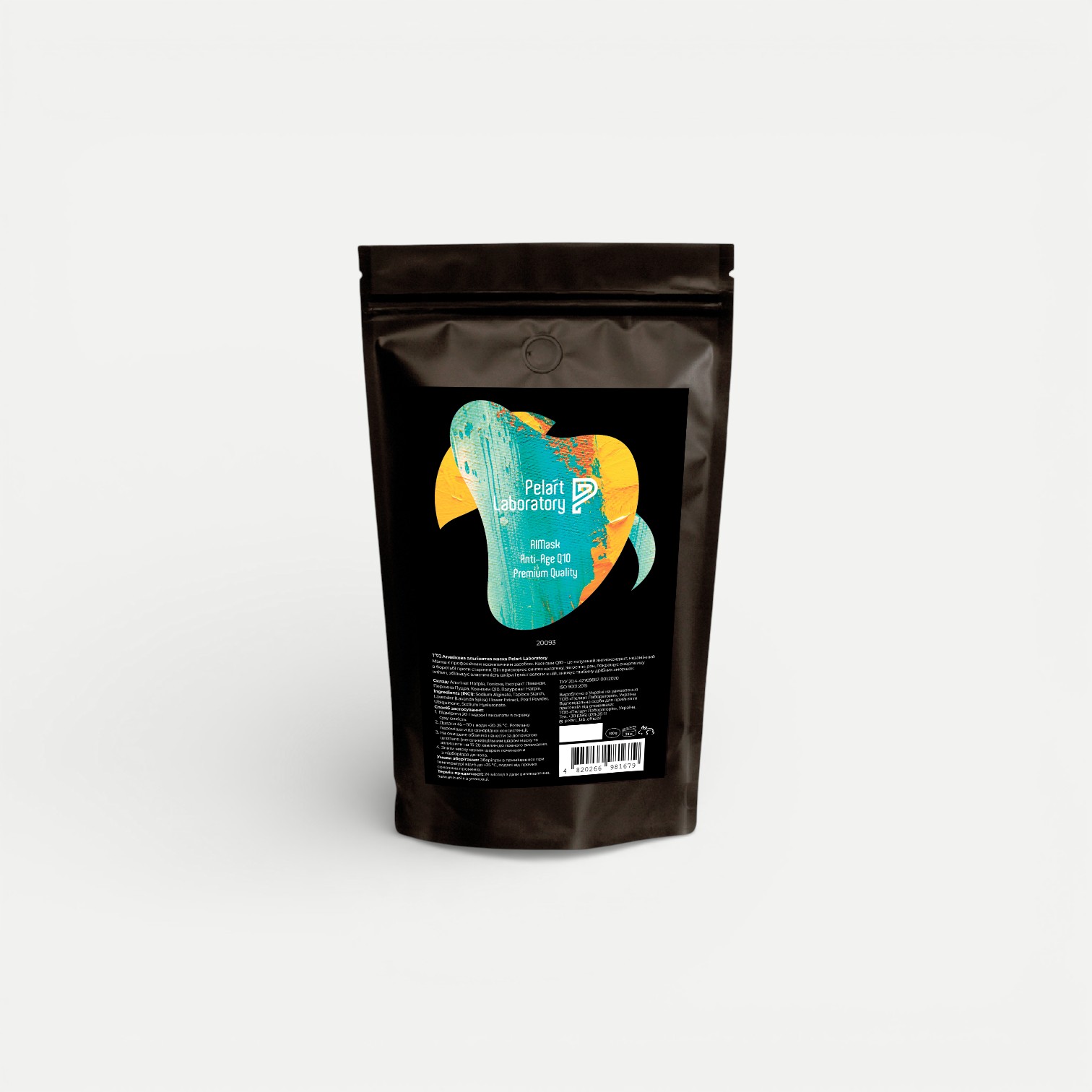
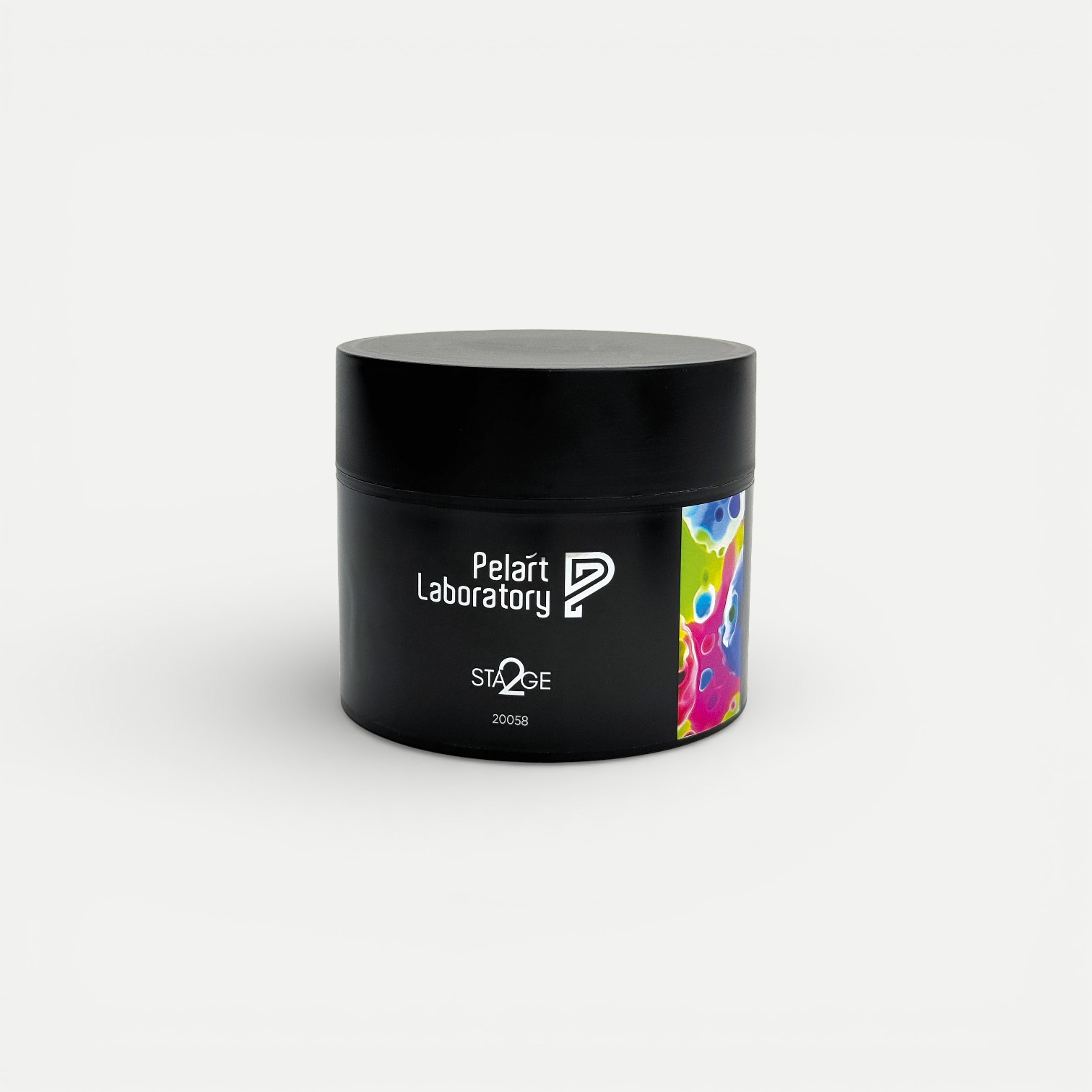
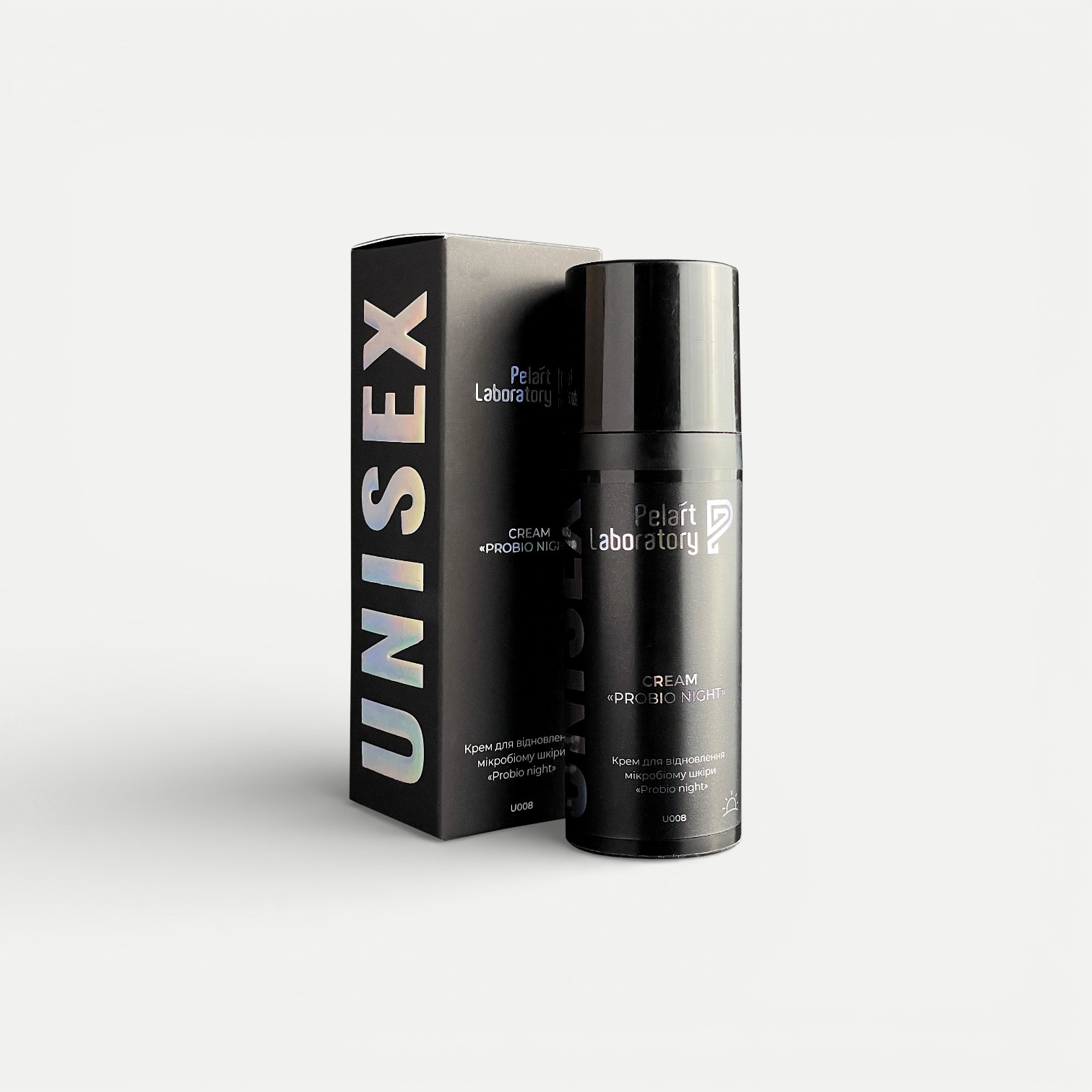
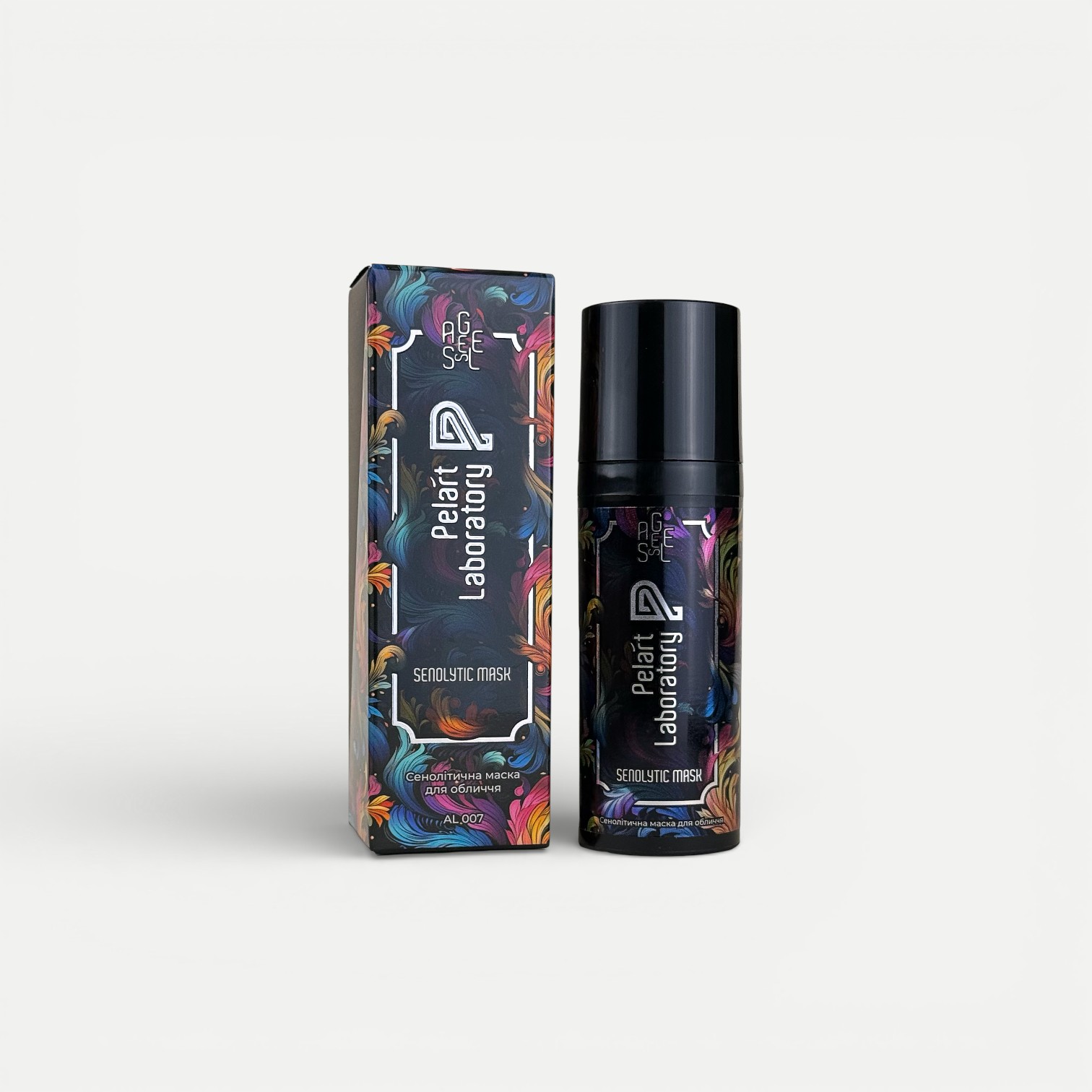
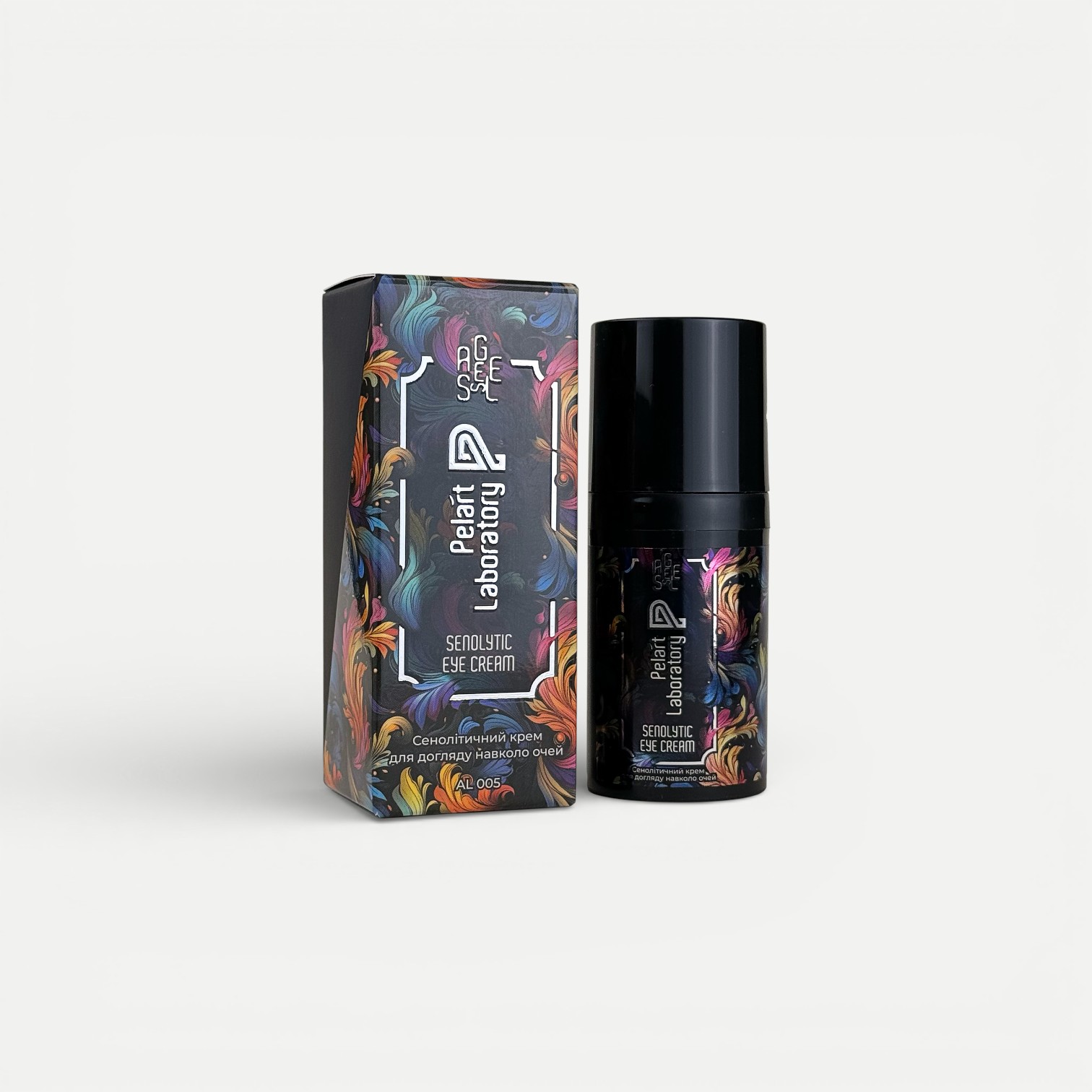
Professional Pelart Laboratory products for problematic and sensitive skin are a reliable support for cosmetologists in the Benelux when addressing this task — both in the salon and in home care.
This article is for informational purposes only. All protocols and products should be selected individually by a specialist, taking into account the client’s skin condition.