


Introduction
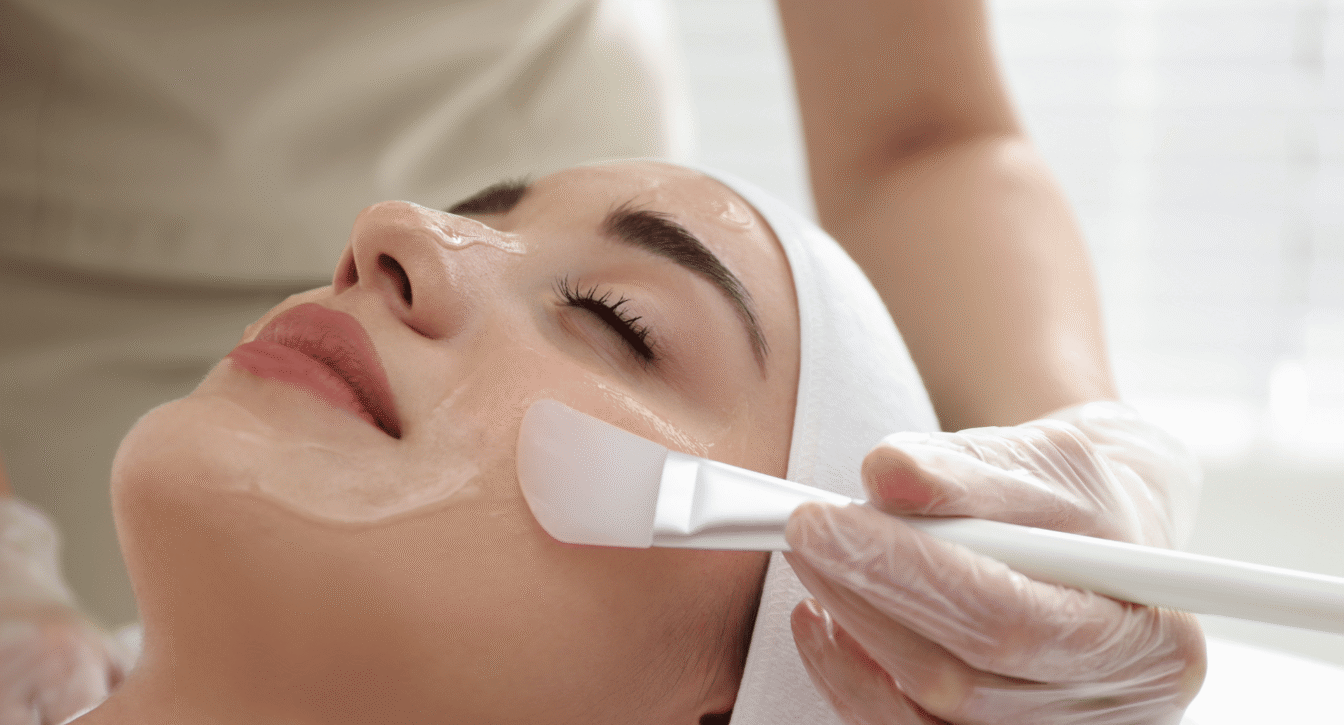
Chemical peels remain one of the most effective tools in the arsenal of cosmetologists and aestheticians when working with problematic skin. For acne, oily skin, closed comedones, inflammation and post-acne, they simultaneously address several concerns: cleansing pores, normalising keratinisation, reducing inflammation and improving skin texture.
In the Benelux region (Netherlands, Belgium, Luxembourg), a well-chosen peel helps achieve visible results with minimal downtime. Important note: chemical peels are part of a comprehensive approach and always begin with professional skin diagnosis.
What Happens to the Skin with Acne
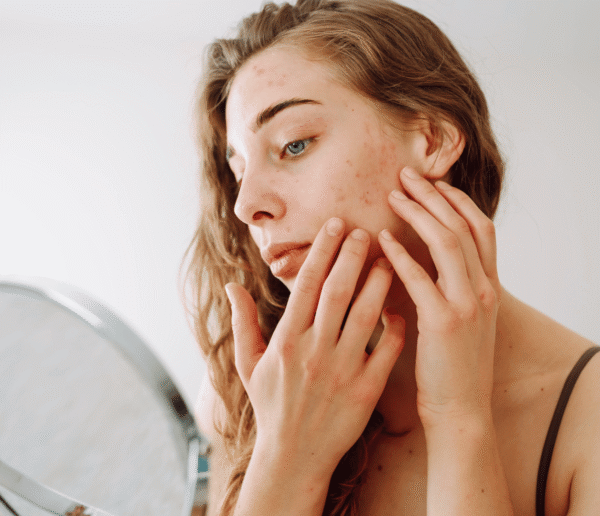
Acne develops as a multifactorial process involving:
- Follicular hyperkeratosis;
- Excessive sebum production;
- Pore clogging (from microcomedones to closed comedones);
- Inflammatory response, often linked to microbiome imbalance;
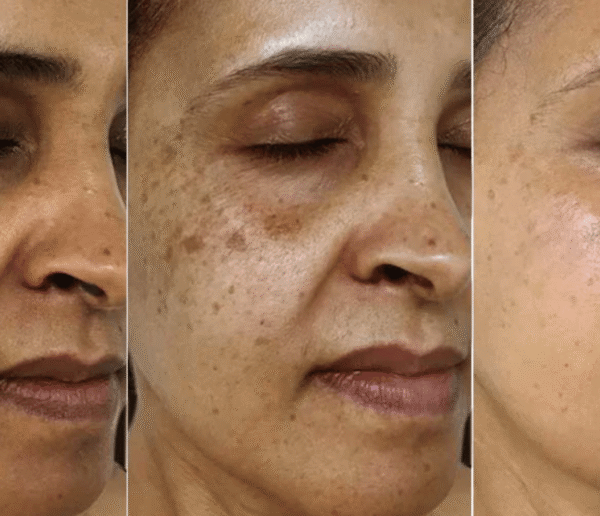
- Post-inflammatory pigmentation and texture irregularities.
Chemical peels help break this cycle through targeted action on the stratum corneum.
How Chemical Peels Help Acne-Prone Skin
A correctly selected peel provides:
- Keratolytic action;
- Deep pore cleansing and reduction of pore size;
- Decreased skin oiliness;
- Reduction of inflammation;
- Evening of skin texture and tone;
- Stimulation of skin renewal;
- Improved penetration of active ingredients from home care.
Table of Active Ingredients
| Active Ingredient | Action, Indications and Application Features |
|---|---|
| Salicylic Acid (BHA) | Lipophilic acid that penetrates deeply into pores. Powerful comedolytic and anti-inflammatory effect. Ideal for oily, comedonal and inflammatory acne. Self-neutralising. May cause dryness. |
| Mandelic Acid (AHA) | Large molecule with slow penetration and antibacterial properties. Excellent for sensitive skin, post-acne pigmentation and darker phototypes. Less irritating. |
| Glycolic Acid (AHA) | Smallest molecule with deep penetration. Outstanding for skin texture, post-acne scars and hyperkeratosis. Can be more irritating. |
| Lactic Acid (AHA) | Hydrating, gentle exfoliation, strengthens the skin barrier. Recommended for sensitive acne-prone skin and mild pigmentation. |
| Azelaic Acid | Antibacterial and anti-inflammatory, regulates keratinisation and pigmentation. Versatile for active acne and post-acne conditions. |
| Pyruvic Acid | Strong keratolytic and sebum-regulating action. Effective for inflammatory acne and scars. May cause more pronounced peeling. |
| Jessner Peel | Combination of salicylic acid, lactic acid and resorcinol. Multifunctional superficial to medium-depth peel. Effective for acne, pigmentation and uneven texture. |
| Acid Combinations | Salicylic + Mandelic — for oily and inflamed skin; Mandelic + Lactic — for sensitive skin; Azelaic acid is widely used in post-care. Combinations are chosen individually by a specialist. |
How to Choose a Peel According to Skin Type and Acne Condition
- Oily skin with comedones — salicylic acid or combinations with it.
- Inflammatory acne — after reducing acute inflammation, use azelaic, mandelic or gentle combinations.
- Sensitive skin with acne — mandelic or lactic acid.
- Post-acne and pigment spots — glycolic, mandelic, azelaic.
- Thick skin with uneven texture — glycolic or pyruvic acid.
- Skin with compromised barrier — first restore the barrier, then use the gentlest options.
Professional Chemical Peels Protocols
Any protocol starts with consultation and thorough skin diagnosis. This is followed by skin preparation, selection of acid type and concentration, controlled application, neutralisation (if required), soothing stage and mandatory sun protection.
All parameters (exposure time, concentration, number of layers) are determined individually by the cosmetologist according to the skin’s real-time reaction.
Pre-Peel Preparation
Preparation for 2–4 weeks significantly reduces risks and increases the effectiveness of the course. It includes gentle cleansing, barrier-strengthening products, daily SPF and gradual introduction of acids or retinoids as recommended by a specialist.
Post-Peel Care
The main goals are restoration of the skin barrier, intensive hydration, reduction of irritation and strict photoprotection. During recovery, avoid aggressive products, scrubs and self-traumatising the skin.
Contraindications and Precautions
Contraindications include active skin irritation, damage, active herpes, recent tanning, pregnancy and lactation (requires consultation), use of photosensitising medications and individual intolerance. A sensitivity test is always performed before the procedure.
Common Mistakes When Performing Peels for Acne-Prone Skin
- Choosing overly aggressive acids without proper preparation;
- Too frequent procedures without recovery time;
- Lack of SPF;
- Incorrect home care;
- Working on actively inflamed skin;
- Ignoring skin barrier restoration.
FAQ
Can chemical peels be done with active acne? Yes, superficial peels (salicylic, mandelic) are often used as adjuvant therapy for mild to moderate acne after reducing acute inflammation.
Which peel is best for comedones? Salicylic acid is the gold standard due to its ability to penetrate deeply into pores.
Do peels help with post-acne? Yes, they improve texture, even out skin tone and stimulate renewal in cases of post-inflammatory pigmentation and superficial scars.
Can peels be done in summer? Possible with strict SPF 50+ and milder acids (e.g. mandelic). Courses are preferably carried out in autumn or spring.
How many procedures are needed? On average, a course consists of 4–8 procedures with intervals of 2–4 weeks. Maintenance sessions — 1–2 times a year.
Can peels be combined with retinoids? Yes, but only under specialist supervision — they are often alternated or used during preparation.
What is the difference between professional and home peels? Concentration of active ingredients, depth of action, professional control of skin reaction and comprehensive protocol.
Integration of Pelart Laboratory Products into Acne Skincare
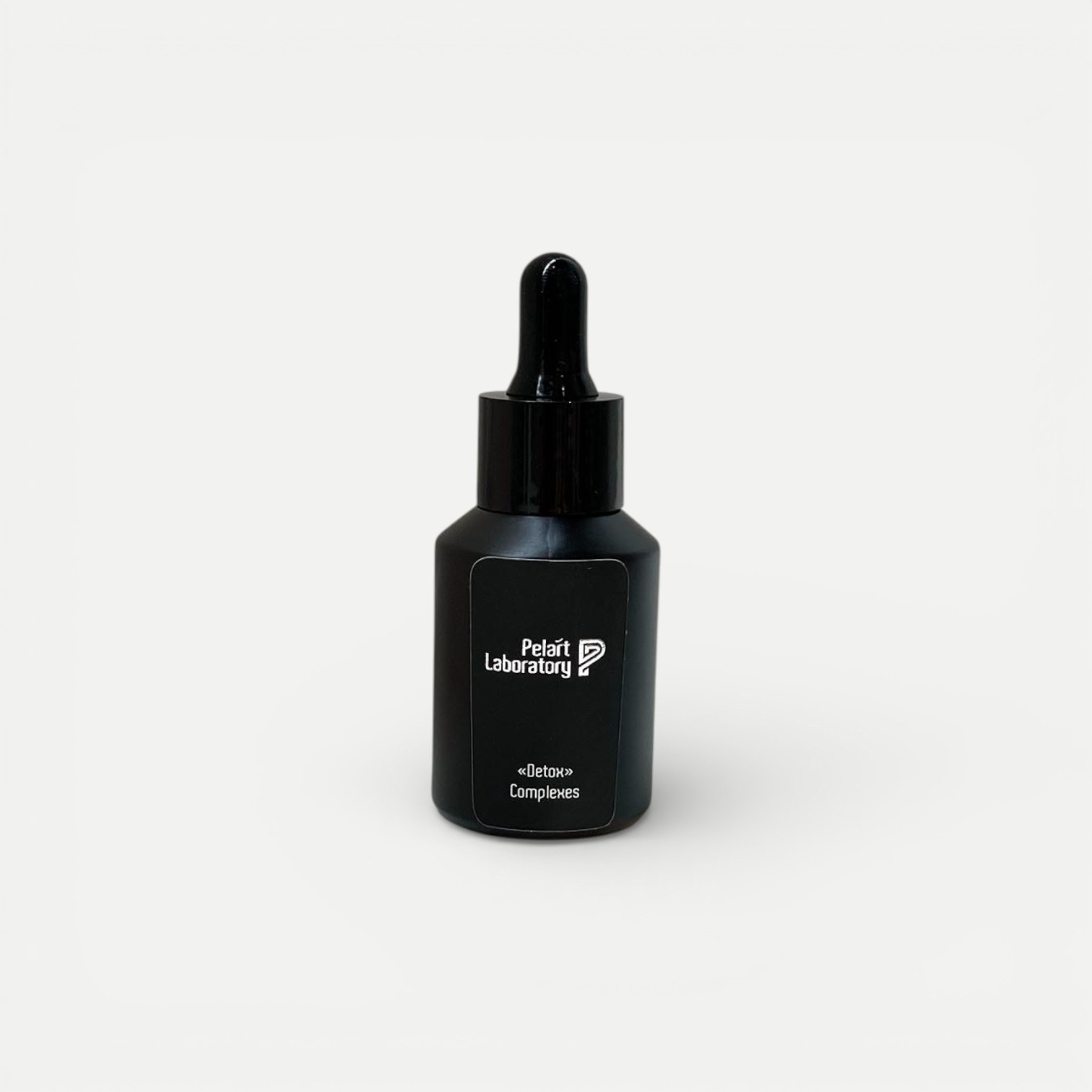
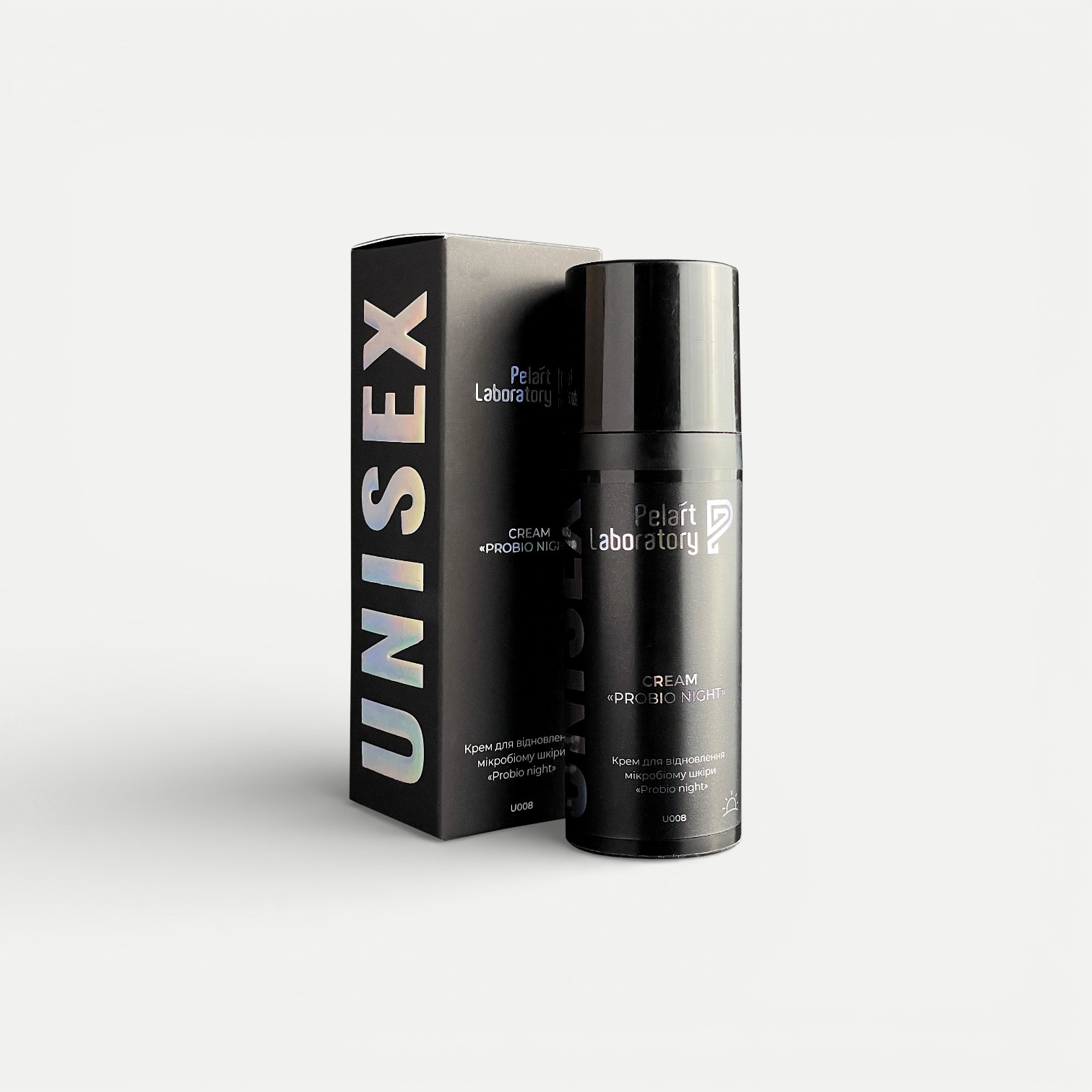
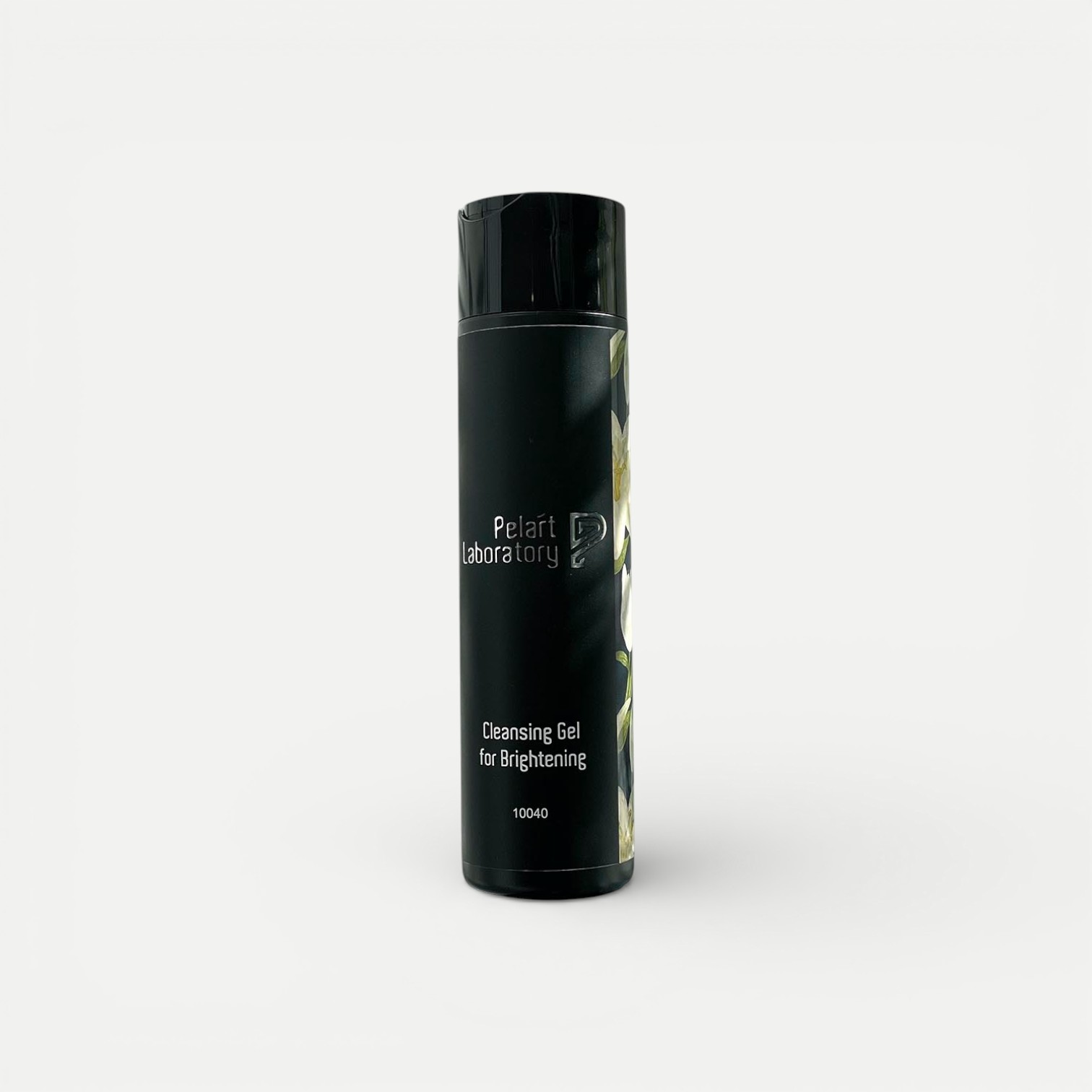
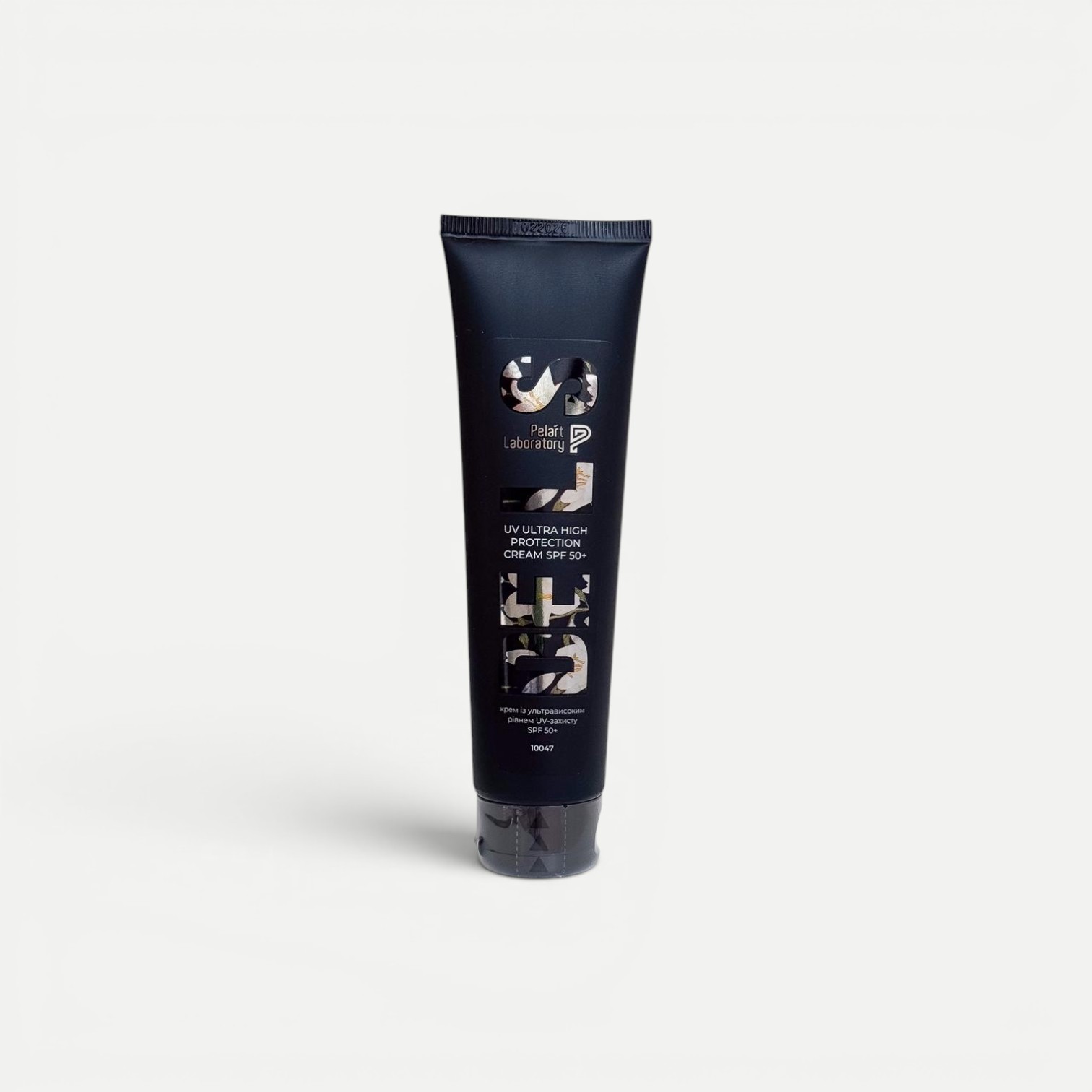
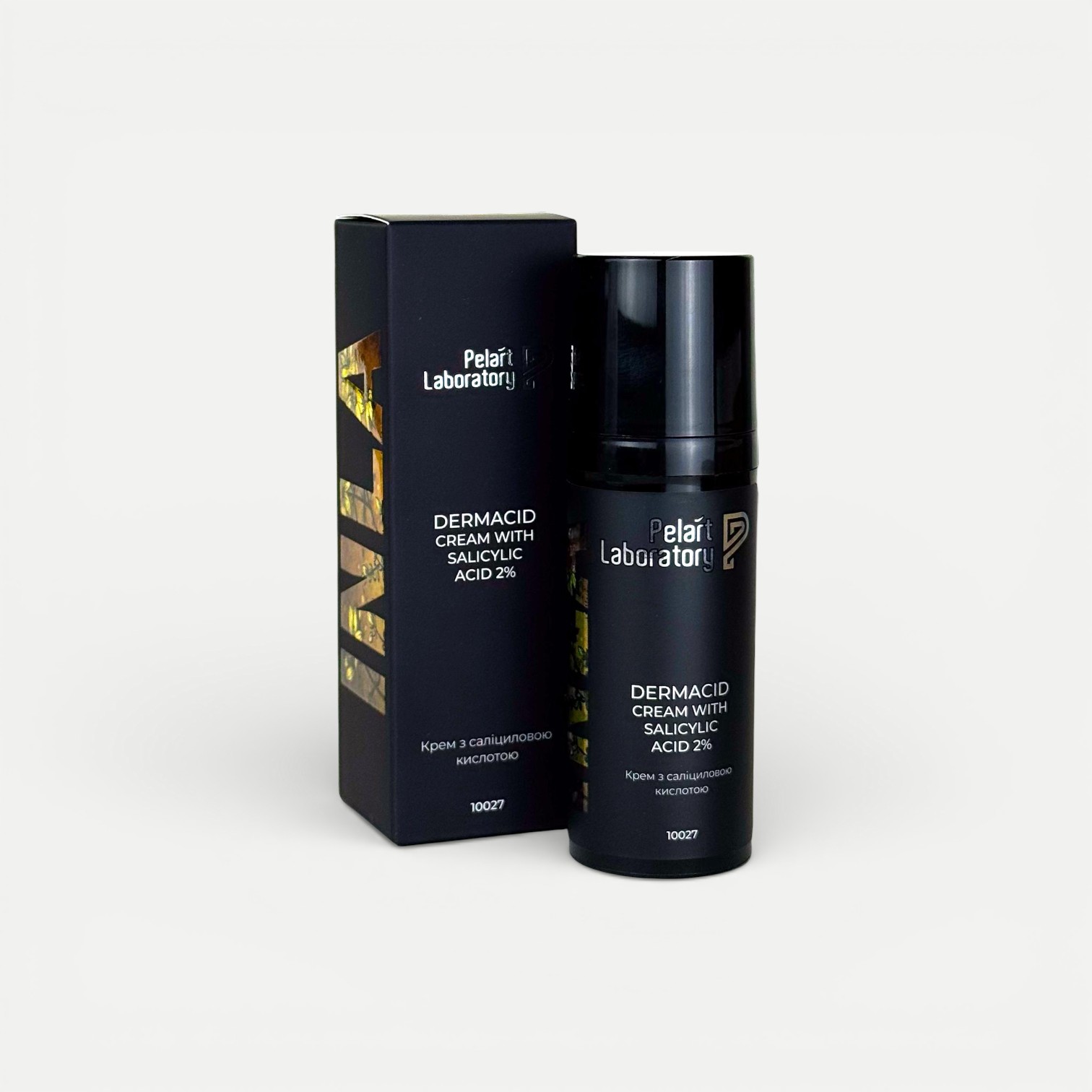
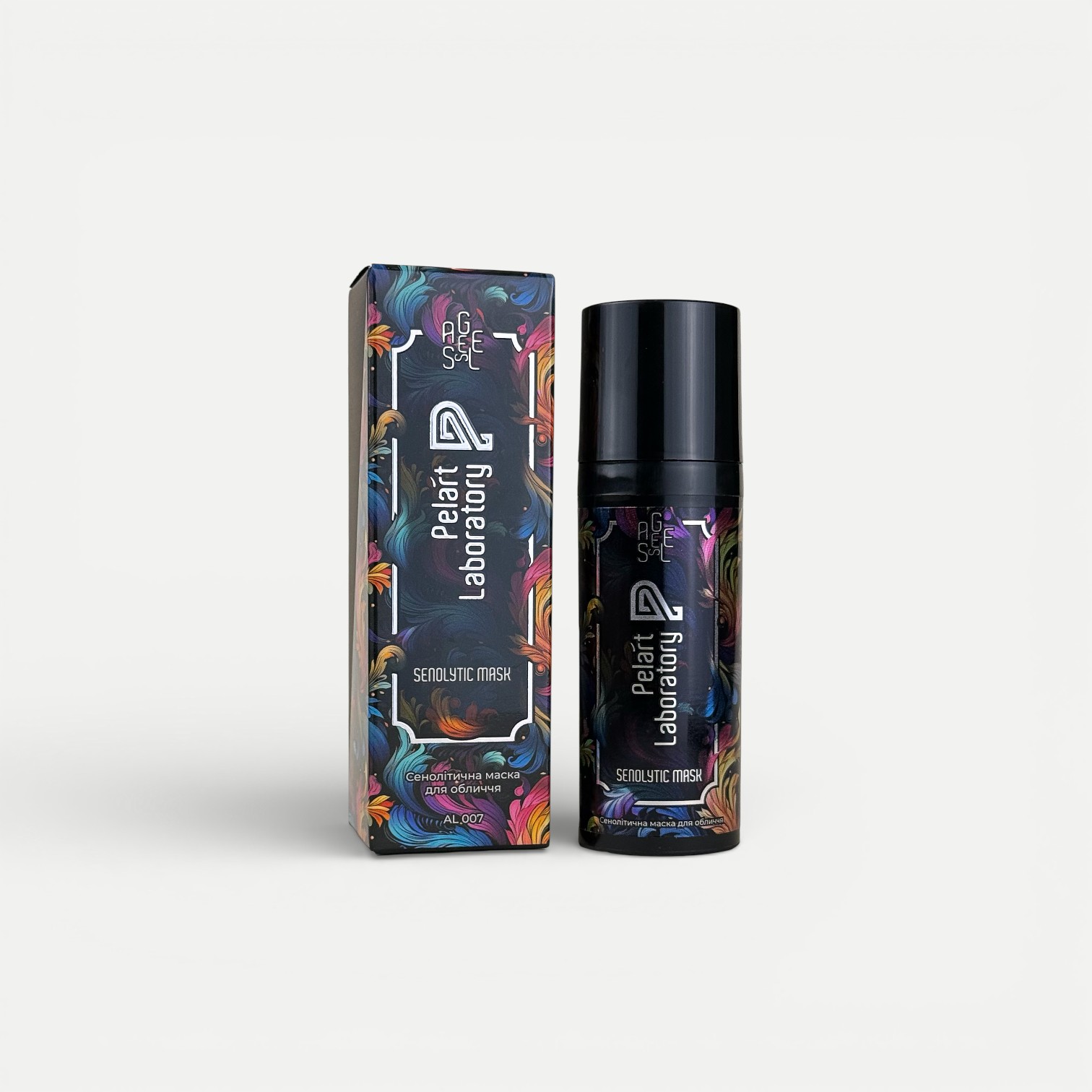
Pelart Laboratory products for oily and problematic skin perfectly complement professional peels, helping control sebum, maintain comfort and restore the skin between treatments.
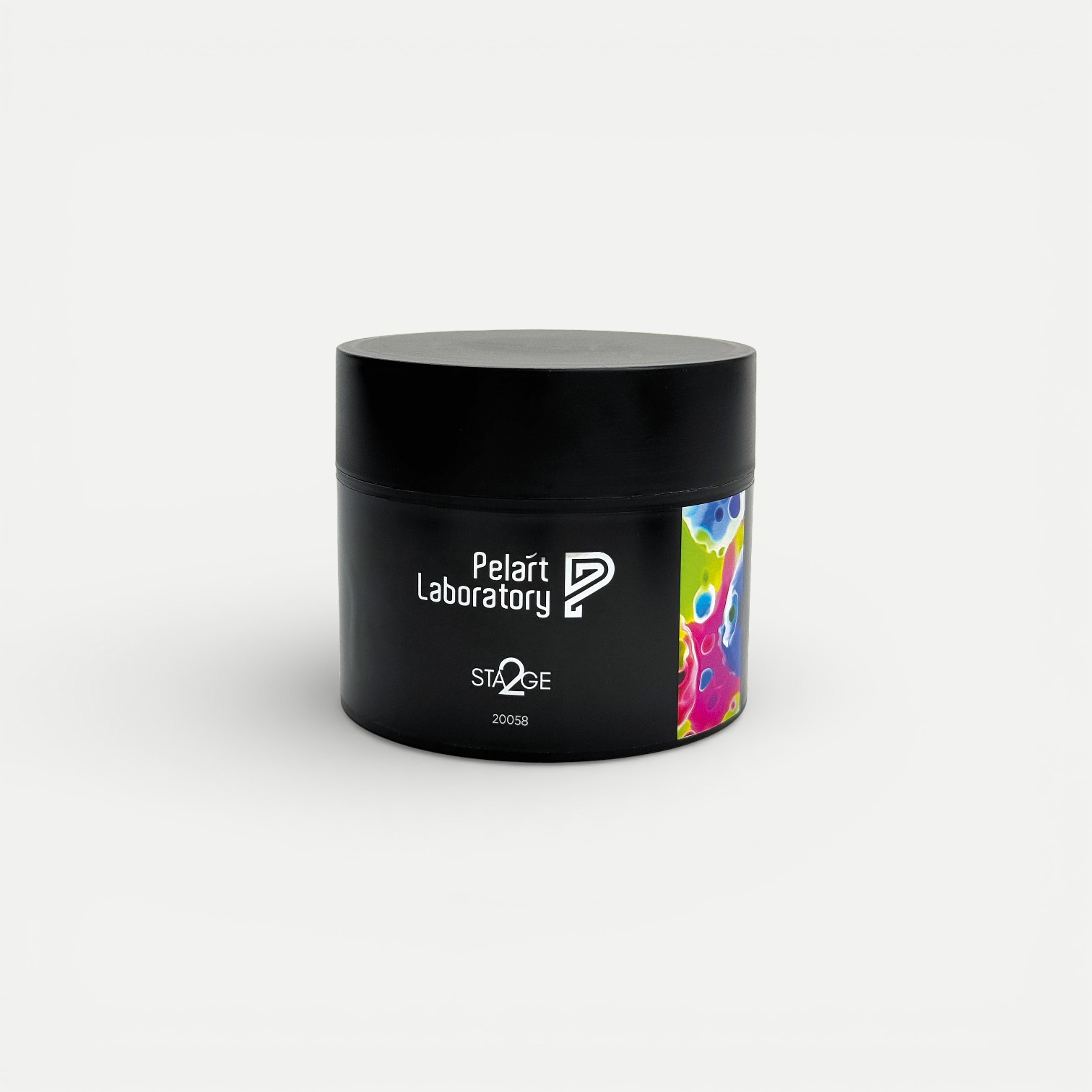
- Sebum-Regulating Mask for oily and problematic skin Pelart Laboratory 100 ml — a mask that helps control sebum production, reduces oily shine and visually cleanses pores.
- Antibacterial Moisturizing Gel-Fluid for oily and problematic skin Pelart Laboratory 50 ml — a lightweight gel-fluid that provides hydration without heaviness. Ideal after procedures and for skin prone to inflammation.
- Cleansing Mousse for oily and problematic skin Pelart Laboratory, 180 ml — a gentle cleansing foam for daily use, especially important during preparation and between sessions.
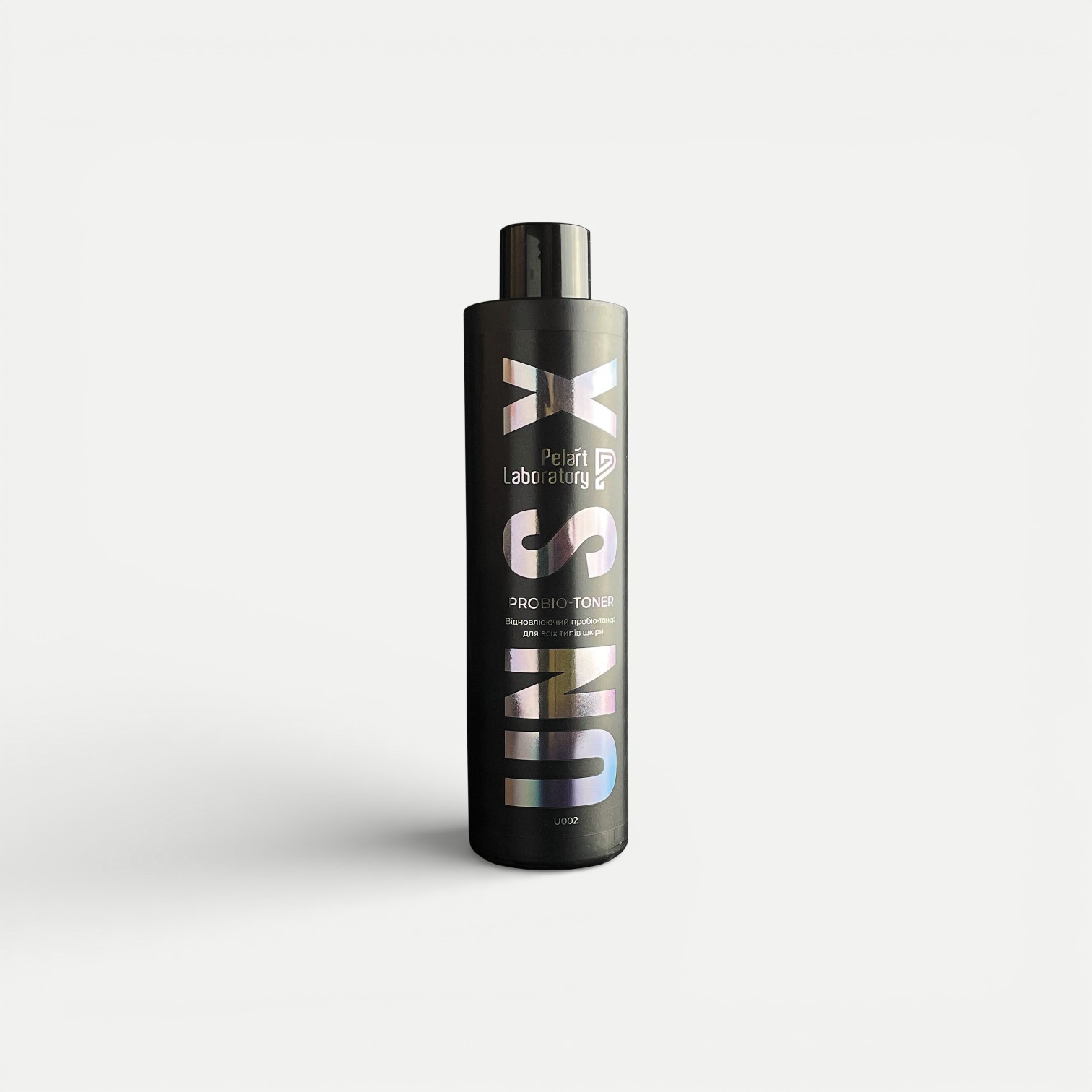
- Pelart Laboratory Hydrating Toner for oily and problem Skin, 250 ml — a hydrating toner that maintains skin comfort and prepares it for subsequent steps.
How to Incorporate Pelart Laboratory Products into Your Care Protocol
Approximate daily scheme:
- Cleansing — Cleansing Mousse for oily and problematic skin Pelart Laboratory;
- Toning — Pelart Laboratory Hydrating Toner for oily and problem Skin;
- Hydration and restoration — Antibacterial Moisturizing Gel-Fluid for oily and problematic skin Pelart Laboratory;
- Additional care 1–2 times a week — Sebum-Regulating Mask for oily and problematic skin Pelart Laboratory (as recommended by a cosmetologist).
These products serve as reliable support for professional chemical peels in home care.
Conclusion
Chemical peels for acne-prone skin deliver pronounced results only with the right choice of active ingredients, an individual protocol, quality preparation and thorough restoration of the skin barrier. In combination with professional Pelart Laboratory skincare for oily and problematic skin, they help cosmetologists in the Benelux region achieve stable improvements.
The article is for informational purposes only. All procedures and products should be selected individually by a specialist.