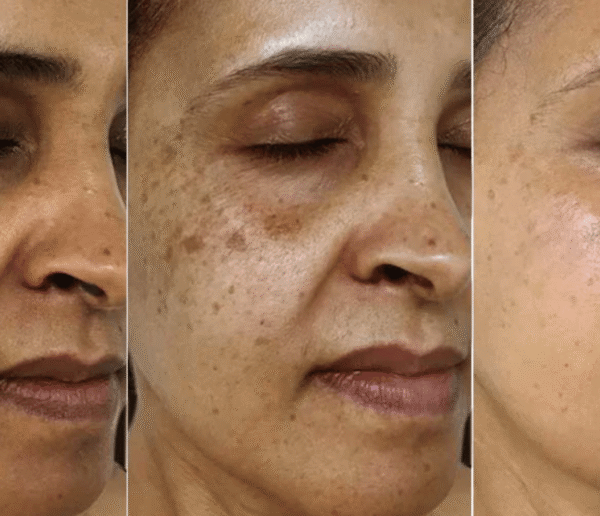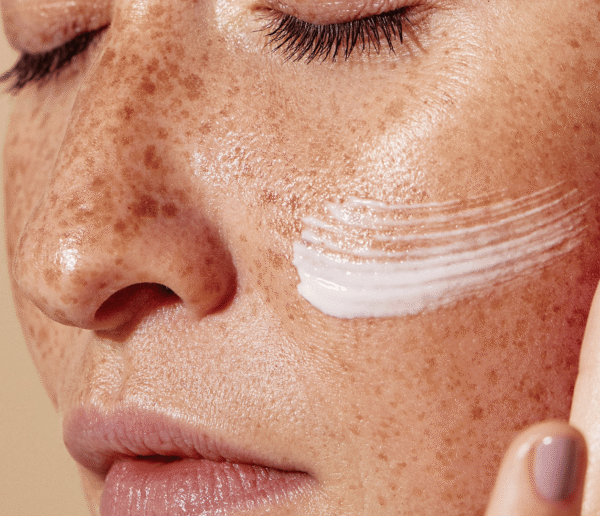




Sensitive and reactive skin is one of the most complex skin types in a cosmetologist’s practice. Clients with this skin type often come with complaints of redness, tightness, unpredictable reactions to procedures, and home care products. A competent approach to this category not only helps avoid post-procedure complications, but also makes it possible to achieve stable aesthetic results, increase client loyalty, and stand out in the market.
Features of sensitive and reactive skin from a cosmetologist’s perspective
Sensitive skin is characterized by:
- a disrupted lipid barrier and increased TEWL;
- vascular hyperreactivity — predisposition to couperose and erythema;
- reduced tolerance to active ingredients;
- microbiome imbalance;
- frequent accompanying conditions such as rosacea, atopic dermatitis, and seborrheic dermatitis.
Reactive skin is distinguished by acute responses to external factors: temperature changes, mechanical impact, acids, retinoids, and even some neutral textures.
Main irritation triggers in the salon
- aggressive peels, especially glycolic and salicylic acid peels;
- high concentrations of retinol and vitamin C;
- device-based procedures without prior barrier preparation;
- incorrect cleansing and toning;
- lack of individual tolerance testing.
Modern professional protocols
The main principle: “Restore first — correct later.”
Diagnosis
Mandatory assessment of the skin barrier — TEWL test if possible — phototype, degree of couperose, and presence of inflammation.
Preparatory stage — 2–4 weeks
Strengthening the barrier before any aggressive procedure.
Salon procedure
- preference for mild exfoliants such as mandelic acid, PHA, and lactic acid;
- minimal exposure time;
- mandatory use of soothing and anti-couperose products immediately after the procedure.
Post-procedure care
Maximum focus on restoring the lipid barrier and strengthening the vascular wall.
Effective ingredients for sensitive skin
- Niacinamide 5–10% — strengthens the barrier and reduces reactivity;
- panthenol, allantoin, bisabolol — powerful soothing action;
- Centella asiatica and horse chestnut extract — anti-couperose effect;
- ceramides, cholesterol, fatty acids — restoration of the lipid matrix;
- polysaccharides and prebiotics — microbiome support.
Recommended products from Apricot Line Pelart Laboratory
The Apricot Line was developed specifically for professional work with sensitive and couperose-prone skin.
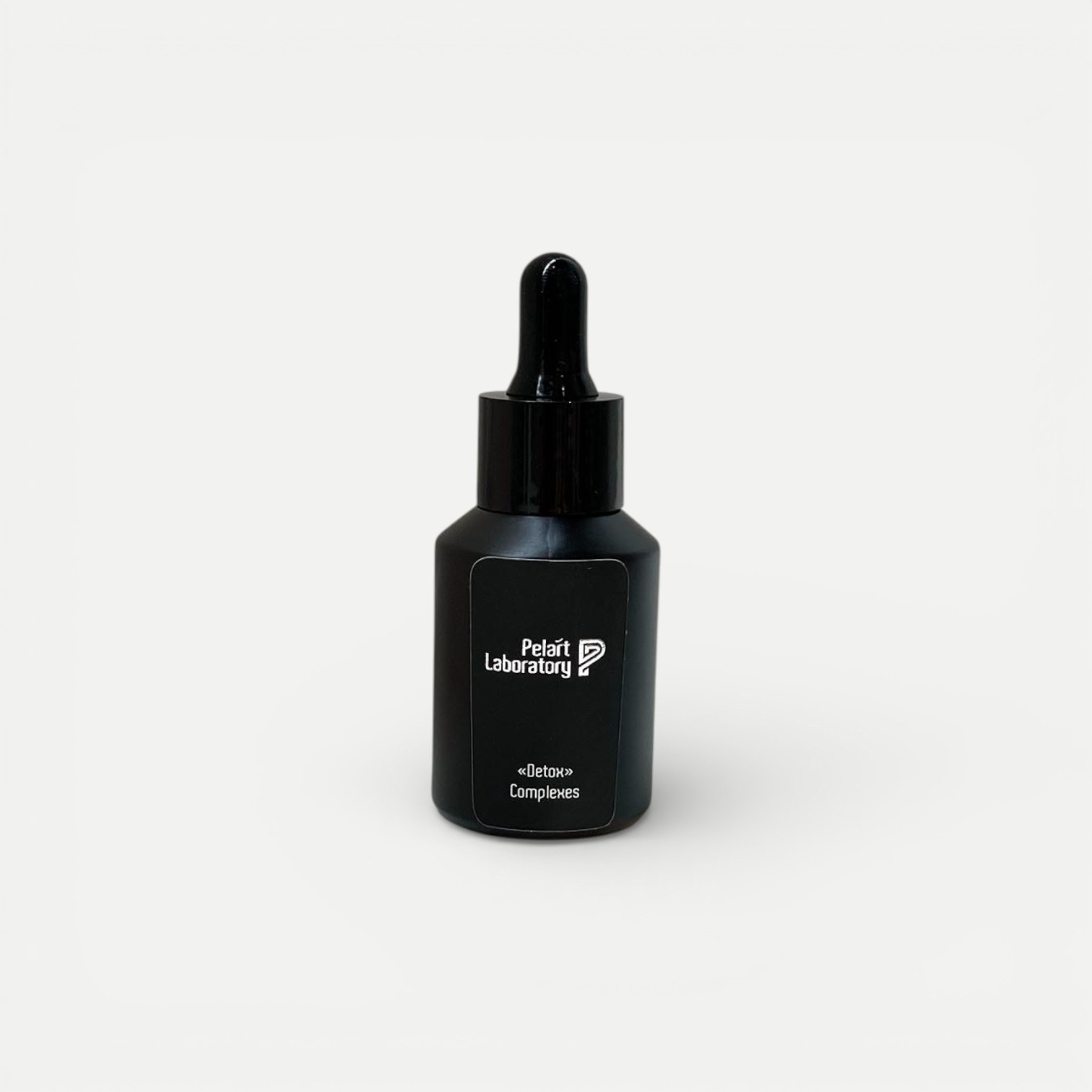
Ampoule for sensitive and couperose-prone skin Apricot Line, 2 ml
A concentrated product for salon use. Works excellently after peels, cleansing procedures, and device-based treatments. Quickly reduces erythema, soothes the skin, and strengthens blood vessels.
Anti-couperose booster for sensitive and couperose-prone skin Apricot Line, 30 ml
A powerful concentrate that cosmetologists can use under alginate masks, occlusive dressings, or during microcurrent procedures. Significantly increases the skin’s resistance to external factors.
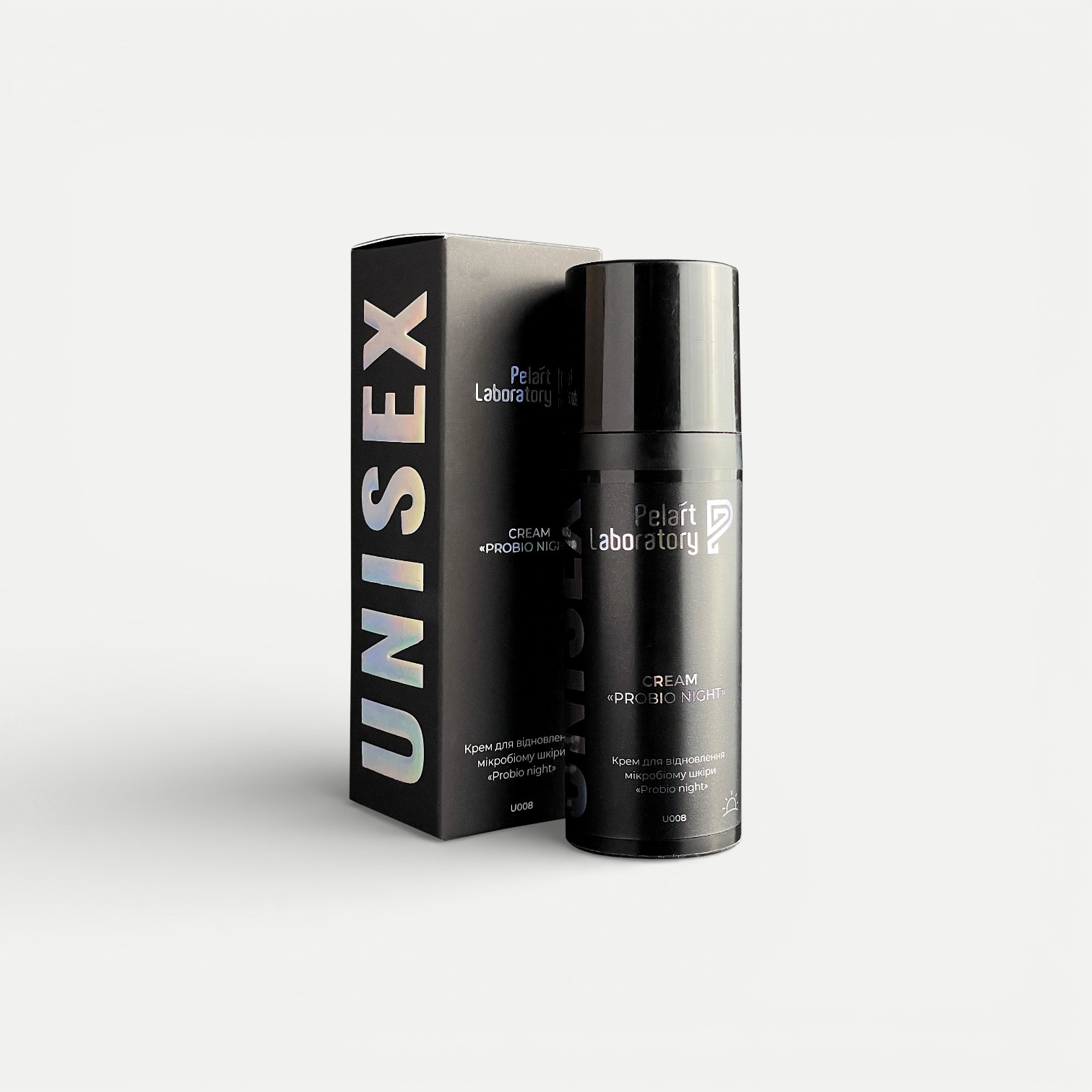
Restorative cream SPF 15 for sensitive and couperose-prone skin Apricot Line, 250 ml
An ideal finishing product for daytime care. Provides hydration, barrier restoration, and necessary photoprotection. Its lightweight texture is well tolerated even by very sensitive skin.
Example of a salon protocol — 60–90 minutes
- Gentle cleansing.
- Toning with a soothing toner.
- Application of the Apricot Line ampoule — can be used under occlusion.
- Light peel or device-based procedure — according to indications.
- Anti-couperose booster Apricot Line.
- Soothing mask.
- Finishing with restorative cream SPF 15 Apricot Line.
Home care — recommendations for the client
Morning:
gentle cleansing → anti-couperose booster → restorative cream SPF 15.
Evening:
cleansing → Apricot Line ampoule — as a 10–14 day course → cream.
Common mistakes made by cosmetologists
- moving on to aggressive procedures without preparing the skin barrier;
- ignoring daily SPF protection;
- changing the client’s products too often;
- underestimating the role of vessel-strengthening ingredients;
- lack of control over home care.
FAQ
Can acids be used on sensitive skin?
Yes, but only mandelic, lactic, or PHA acids in low concentrations and with mandatory barrier preparation.
How often can procedures be performed?
Optimally — once every 3–4 weeks, with an emphasis on restorative protocols.
When can retinol be introduced?
Only after the skin barrier has fully stabilized, starting with the lowest concentration and alternating with soothing products from the Apricot Line.
Is a tolerance test necessary?
Yes, it is mandatory when using new products or procedures for the first time.
Conclusion
Working with sensitive and reactive skin is an indicator of a high level of professionalism. A modern approach based on barrier strengthening, minimal aggression, and targeted use of professional products makes it possible to achieve excellent results without complications.
The Apricot Line Pelart Laboratory is a reliable tool for everyday practice. Ampoules, boosters, and the restorative SPF 15 cream help cosmetologists in the Benelux safely and effectively address the needs of sensitive and couperose-prone skin.
This article is for informational purposes only. All protocols and products should be selected individually after a thorough diagnosis of the client’s skin.