


Why anti-age is not one product, but a system
Modern anti-age cosmetology has long moved beyond simply applying a cream with retinol or vitamin C. Today, a professional approach to correcting age-related skin changes is based on understanding the biochemical processes of aging, selecting active ingredients correctly, and building multi-level protocols that act on the skin synchronously — at the cellular, matrix, and surface levels.
Clients do not come to a cosmetologist with an abstract request to “look younger,” but with a specific goal: to smooth skin texture, reduce wrinkle depth, restore turgor, and remove dullness. Achieving this without a systematic protocol is impossible. That is why professional lines such as Pelart Laboratory are developed not as separate products, but as complementary solutions with precisely calibrated concentrations of active ingredients.
In this article, we will look at the key mechanisms of age-related skin changes, modern active ingredients with proven effectiveness, and how to correctly build an anti-age protocol using professional products.
The biology of skin aging: what a cosmetologist needs to know
Before moving on to protocols, it is important to understand exactly what we are working with. Age-related skin changes are caused by several interconnected processes.
Chronological aging and photoaging
Chronological aging is a natural biological process in which fibroblast activity decreases, the synthesis of type I and III collagen slows down, hyaluronic acid degrades, and the epidermal barrier becomes impaired. Photoaging is layered on top of this, accelerating matrix breakdown through the activation of metalloproteinases — MMPs — under the influence of UV radiation.
Cellular senescence
One of the key discoveries of the past decade has been the understanding of the role of senescent cells in accelerated aging. Aging cells stop dividing but do not die — they accumulate in tissues and secrete pro-inflammatory cytokines, known as the SASP — senescence-associated secretory phenotype. This creates chronic micro-inflammation, which further destroys collagen and elastin fibers. The new generation of professional cosmetics already works directly with this mechanism.
Impaired regeneration
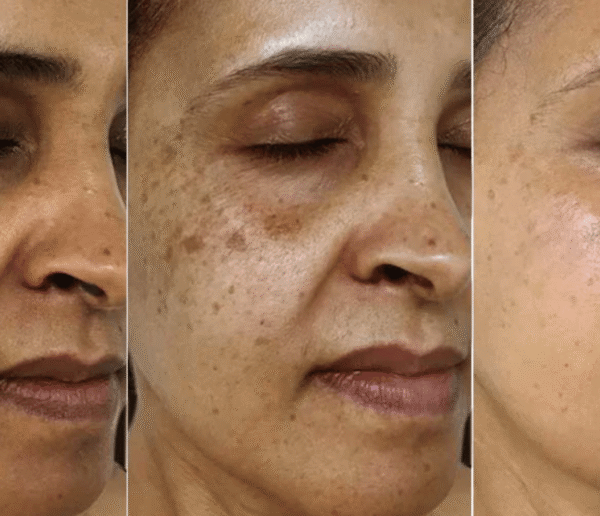
With age, the rate of epidermal cell renewal decreases: in young skin, the renewal cycle is about 28 days, while in 50+ skin it may extend to 40–60 days. This leads to the accumulation of dead skin cells, uneven pigmentation, and loss of radiance.
Levels of anti-age action: a systematic approach
A professional anti-age protocol should cover at least three levels of action:
Level 1 — superficial renewal, exfoliation, and resurfacing
Removal of accumulated dead skin cells, smoothing of skin texture, and improved permeability for subsequent active ingredients.
Level 2 — cellular activation and correction of the dermal matrix
Stimulation of collagen and elastin synthesis, neutralization of senescent processes, and restoration of microrelief.
Level 3 — targeted local work
Focused correction of the most vulnerable zones — the periorbital area, nasolabial folds, and décolleté.
Active ingredients in modern anti-age protocols
AHA and PHA acids: controlled exfoliation
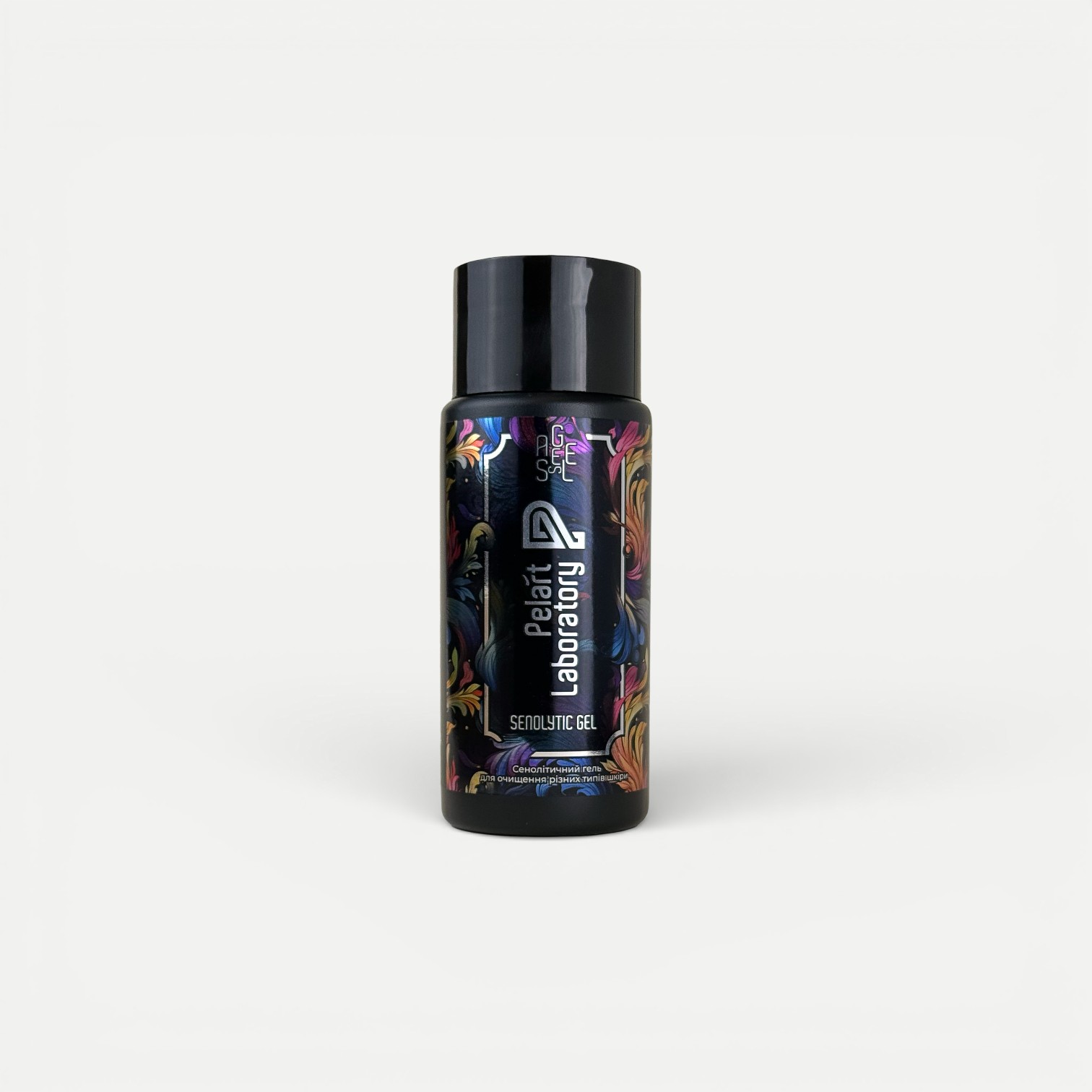
Hydroxy acids — glycolic, mandelic, lactic, and citric acids — remain the foundation of chemical resurfacing thanks to their proven mechanism of action. They break hydrogen bonds in the stratum corneum, accelerate desquamation, stimulate the synthesis of glycosaminoglycans, and indirectly activate fibroblasts.
The key parameter is not only concentration, but also the pH of the product. The working range for professional peels is around pH 2.5–3.5. With the correct choice of an acid cocktail, controlled peeling can be achieved without an increased risk of complications.
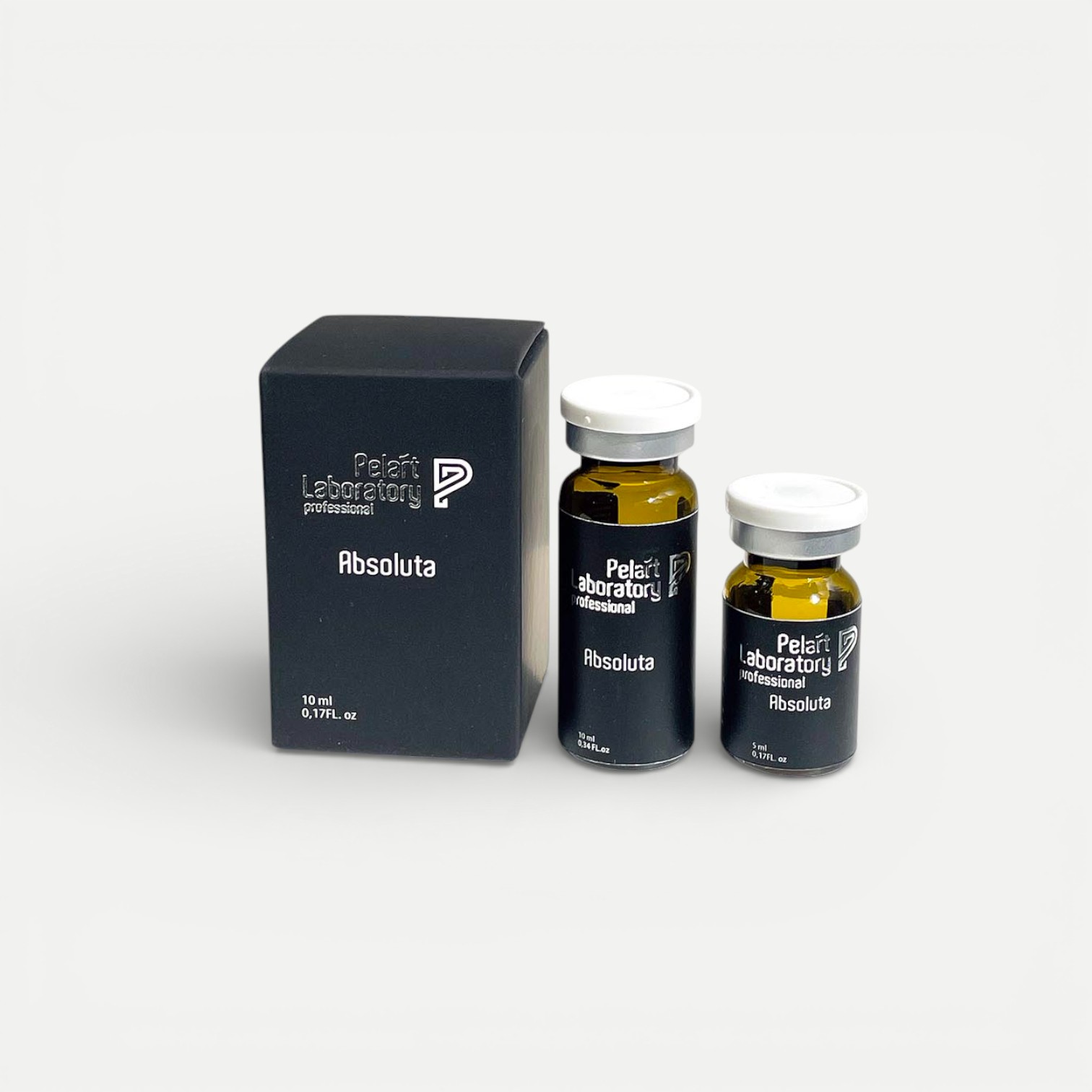
Rejuvenating peel Anti-Age Fruit and Acid Complexes, 10 ml is a professional product by Pelart Laboratory, created on the basis of a multi-acid fruit complex. The formula combines several types of organic acids that provide deep renewal of the stratum corneum, smoothing of microrelief, and a pronounced anti-age effect after the first procedure. The 10 ml format is optimal for professional use: it allows precise dosage control and ensures the sterility of the formula throughout the entire course. It is recommended for use at the beginning of the protocol as a skin preparation stage, helping the skin better receive subsequent active ingredients.
Booster complexes with phytoestrogens: working with the dermal matrix
One of the promising strategies in modern anti-age cosmetology is the use of phytoestrogens, in particular isoflavones from red clover — Trifolium pratense. These compounds are structurally similar to estradiol and can bind to estrogen receptors in the skin, supporting collagen synthesis and moisture retention without hormonal action.
In addition, ingredients that provide resurfacing at the cellular level are important — stimulation of epidermal renewal, smoothing of wrinkles, and improvement of skin texture.
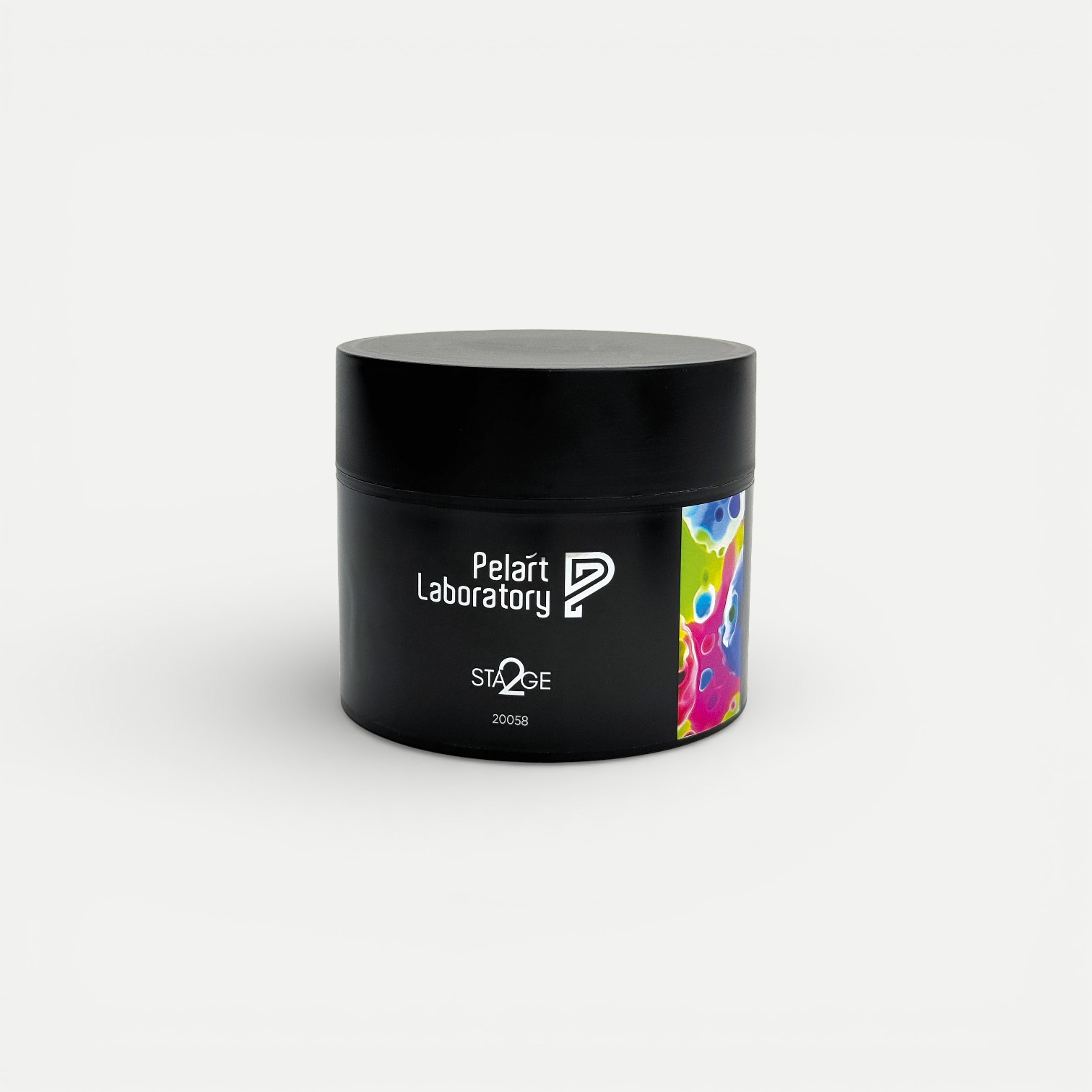
Anti-age Booster-Resurfacer Trifolium Pretense Line, 30 ml is a multifunctional professional product by Pelart Laboratory that combines the effects of cellular resurfacing with the action of a phytoestrogen complex based on red clover extract. Thanks to the booster format, the product is easy to integrate into any protocol: it is applied after peeling, enhances the penetration of subsequent ingredients, and activates fibroblasts. The 30 ml volume is designed for a complete professional course. It is especially effective in protocols for menopausal and postmenopausal skin, as well as for pronounced signs of dermal atrophy.
Senolytic ingredients: an innovative approach to local rejuvenation
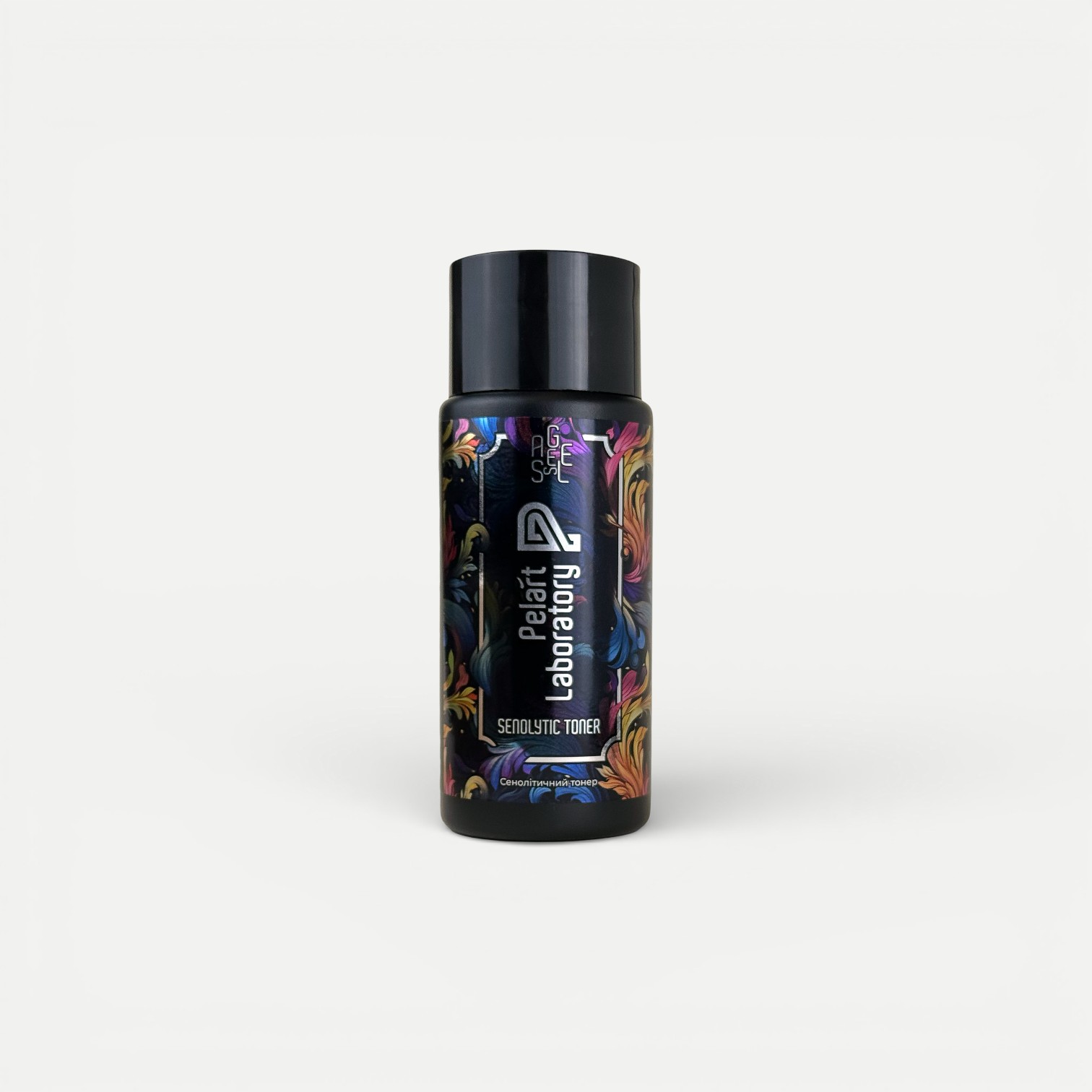
The term “senolytics” came to cosmetology from gerontology: these are substances that contribute to the elimination or neutralization of senescent cells, thereby reducing the level of chronic inflammation in tissues and restoring normal regenerative activity. Applied to delicate zones — especially the periorbital area — this approach makes it possible to work with the deeper causes of skin aging, not only with its external manifestations.
The area around the eyes is one of the most informative markers of age and, at the same time, one of the most difficult zones to correct. The skin here is 4–5 times thinner than on other areas of the face, contains minimal sebaceous glands, is constantly exposed to mechanical stress — blinking and facial expressions — and its microcirculation is easily disrupted. Standard anti-age products are often either too aggressive or insufficiently concentrated for this area.
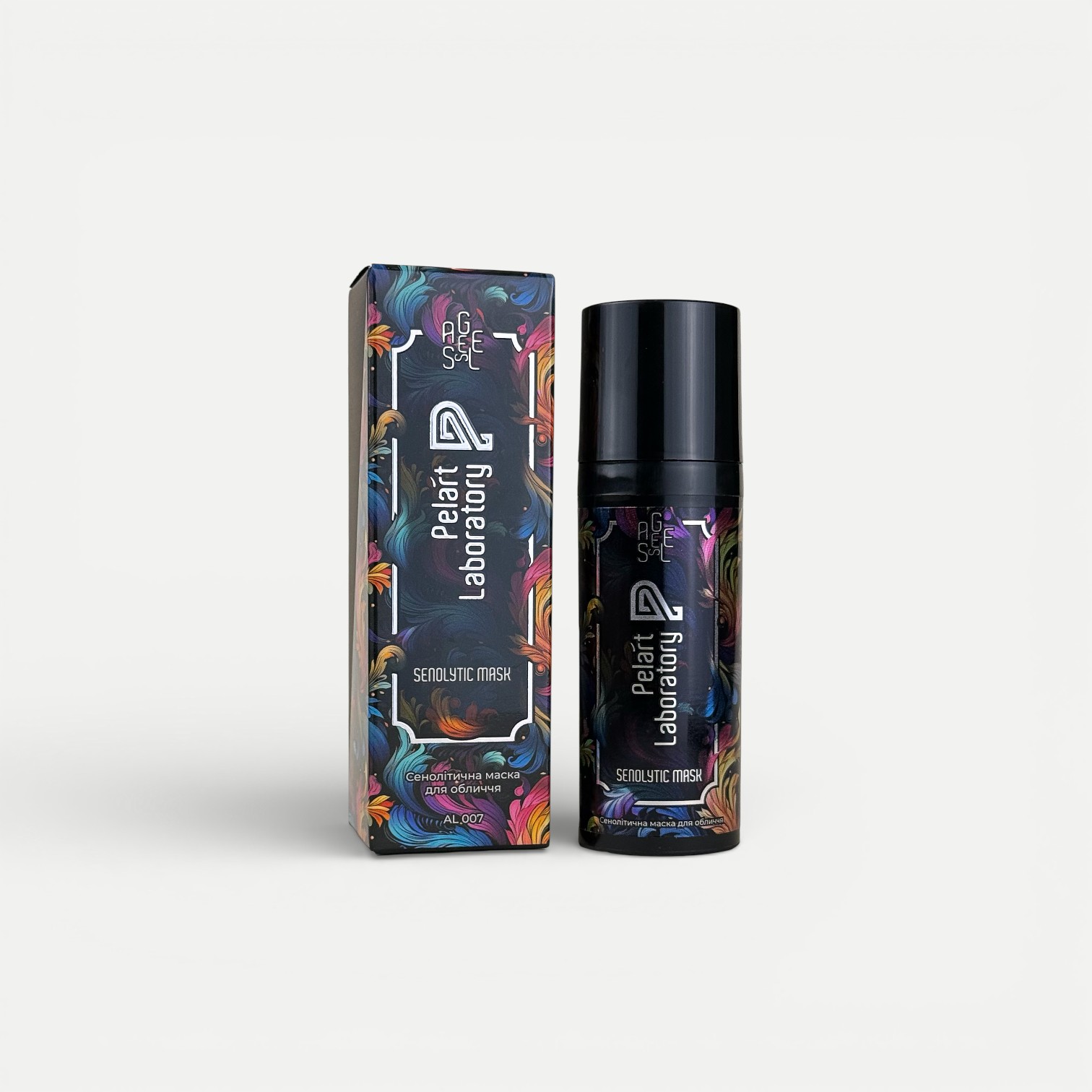
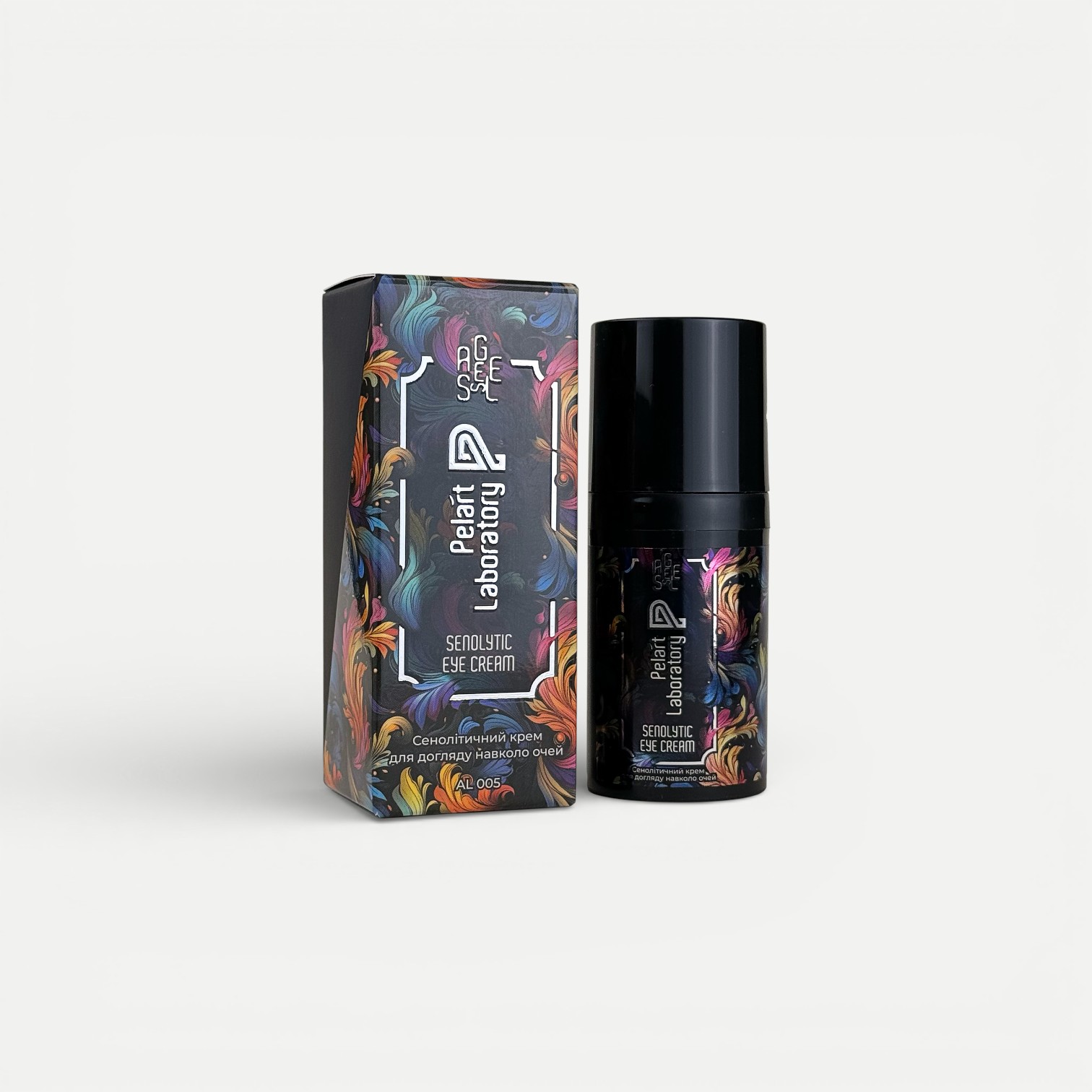
Senolytic eye cream Ageless Line, 30 ml is the flagship product by Pelart Laboratory for local anti-age care, developed with the specific characteristics of periorbital skin in mind. The formula is based on a senolytic complex aimed at reducing senescent cells and restoring cellular balance in this zone. The cream works comprehensively: it reduces the depth of “crow’s feet,” decreases puffiness and dark circles, and improves the turgor and texture of the skin around the eyes. The 30 ml format allows the product to be used both in the cosmetologist’s office as the final stage of the protocol and recommended to the client for home use as prolonging therapy.
Building an anti-age protocol: practical schemes
Basic rejuvenating protocol — 4–6 procedures, interval 10–14 days
Step 1. Cleansing and makeup removal
Micellar or enzymatic cleansing for gentle removal of impurities without disrupting the skin’s pH.
Step 2. Diagnosis and skin analysis
Visual assessment and, if equipment is available, diagnosis with a Wood’s lamp or dermatoscope. Identification of dominant age-related changes: loss of firmness, static or dynamic wrinkles, pigmentation, ptosis.
Step 3. Chemical resurfacing
Application of Rejuvenating peel Anti-Age Fruit and Acid Complexes to previously degreased and prepared skin. Exposure time according to instructions and depending on the client’s individual skin sensitivity. Completion: neutralization and thorough removal of the product.
Step 4. Booster activation
Application of Anti-Age Booster-Resurfacer Trifolium Pretense Line to slightly damp skin for maximum penetration. Light massage along massage lines to activate microcirculation.
Step 5. Mask — optional
Alginate, collagen, or biocellulose mask to enhance the result and soothe the skin after acid exposure.
Step 6. Finishing care — periorbital area
Application of Senolytic cream Ageless Line to the area around the eyes with light tapping motions. Important: do not pull or rub the delicate skin.
Step 7. Final protection
Application of an SPF product — at least SPF 30 — is mandatory during daylight hours.
Intensive protocol for mature 50+ skin — course of 8 procedures
For skin with pronounced signs of aging — deep wrinkles, ptosis, significant volume loss — a more intensive scheme is recommended with alternating types of action:
Odd procedures — 1, 3, 5, 7:
Focus on resurfacing using Anti-Age Fruit and Acid Complexes peel, a device-assisted stage — ultraphonophoresis, microcurrents, or RF lifting — and completion with application of Trifolium Pretense Line booster.
Even procedures — 2, 4, 6, 8:
Focus on biostimulation: biorevitalizing techniques, mesotherapy cocktails — according to indications and license — and completion with mandatory application of Ageless Line cream to the periorbital area.
Home care during the course: recommend that the client use Ageless Line cream daily in the morning and evening — this significantly prolongs and enhances the professional result.
Combining procedures and device-based methods
A well-designed synergy between professional cosmetics and device-based methods is one of the key trends in modern cosmetology. Several key combinations:
Chemical peel + fractional RF:
The peel is performed 10–14 days before or after the RF procedure. Do not combine in one session — risk of excessive irritation.
Booster + ultraphonophoresis:
Applying Anti-Age Booster-Resurfacer before ultraphonophoresis significantly enhances the penetration of active ingredients due to the cavitation effect.
Eye cream + microcurrents:
Pre-application of Ageless Line before a microcurrent procedure potentiates the lymphatic drainage and lifting effect.
Peel + LED therapy:
Red and infrared LED ranges after an acid peel accelerate recovery and enhance collagen synthesis.
Contraindications and precautions
A professional anti-age protocol is a medical-aesthetic procedure that requires careful history taking. Absolute contraindications for the use of acid peels include:
- active inflammatory processes in the treatment area;
- herpetic eruptions in the exacerbation stage;
- pregnancy and lactation period;
- oncological skin diseases;
- individual intolerance to components.
Before using any professional Pelart Laboratory product, it is necessary to study the full instructions and perform a sensitivity test, especially in clients with atopic dermatitis or a tendency to allergic reactions.
Home care recommendations between procedures
The result of a professional protocol largely depends on the quality of home care. Basic recommendations for clients during an anti-age course:
Mandatory
- SPF protection every morning regardless of the season;
- gentle cleansing without sulfates and harsh surfactants;
- regular use of Ageless Line cream on the area around the eyes;
- sufficient hydration — at least 1.5–2 liters of water per day.
Avoid during the course
- independent use of high-concentration AHA/BHA acids;
- solarium visits and prolonged sun exposure without protection;
- mechanical scrubbing for 72 hours after the procedure.
Result evaluation: when to expect an effect
Realistic expectation management is an essential part of a cosmetologist’s professional ethics. Timelines for visible results when using the described protocol:
After 1–2 procedures: improvement in skin texture, increased radiance, slight reduction of superficial wrinkles.
After 3–4 procedures: visible smoothing of relief, reduction of pigmentation, improvement in turgor. In the periorbital area — reduction in the appearance of “crow’s feet” and puffiness.
After the full course — 6–8 procedures: comprehensive rejuvenation with long-term effect, provided maintenance procedures are performed once every 4–6 weeks.
Conclusion
Anti-age cosmetology is one of the most scientifically grounded areas of aesthetic medicine. A successful result is not achieved through a single “miracle ingredient,” but through a systematic protocol that takes into account the aging biology of the specific client, combines methods thoughtfully, and uses professional products with proven effectiveness.
The Pelart Laboratory lines — Rejuvenating peel Anti-Age Fruit and Acid Complexes, Anti-Age Booster-Resurfacer Trifolium Pretense Line, and Senolytic eye cream Ageless Line — represent exactly this kind of systematic approach: each product performs its own task within the protocol while enhancing the effectiveness of the others.
Investing in professional knowledge and high-quality tools is the direct path to results that bring clients back again and again.