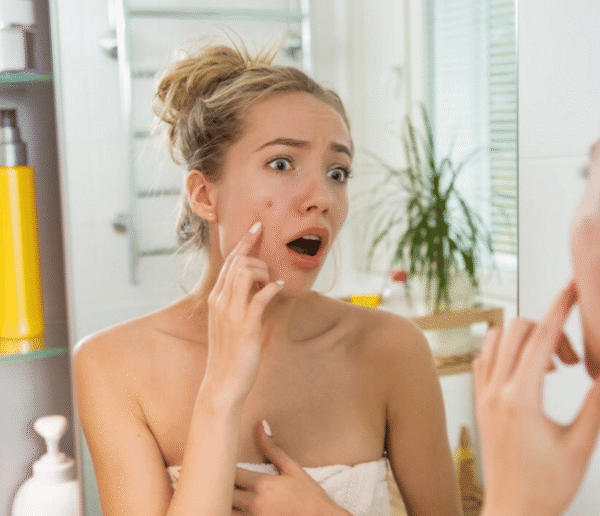



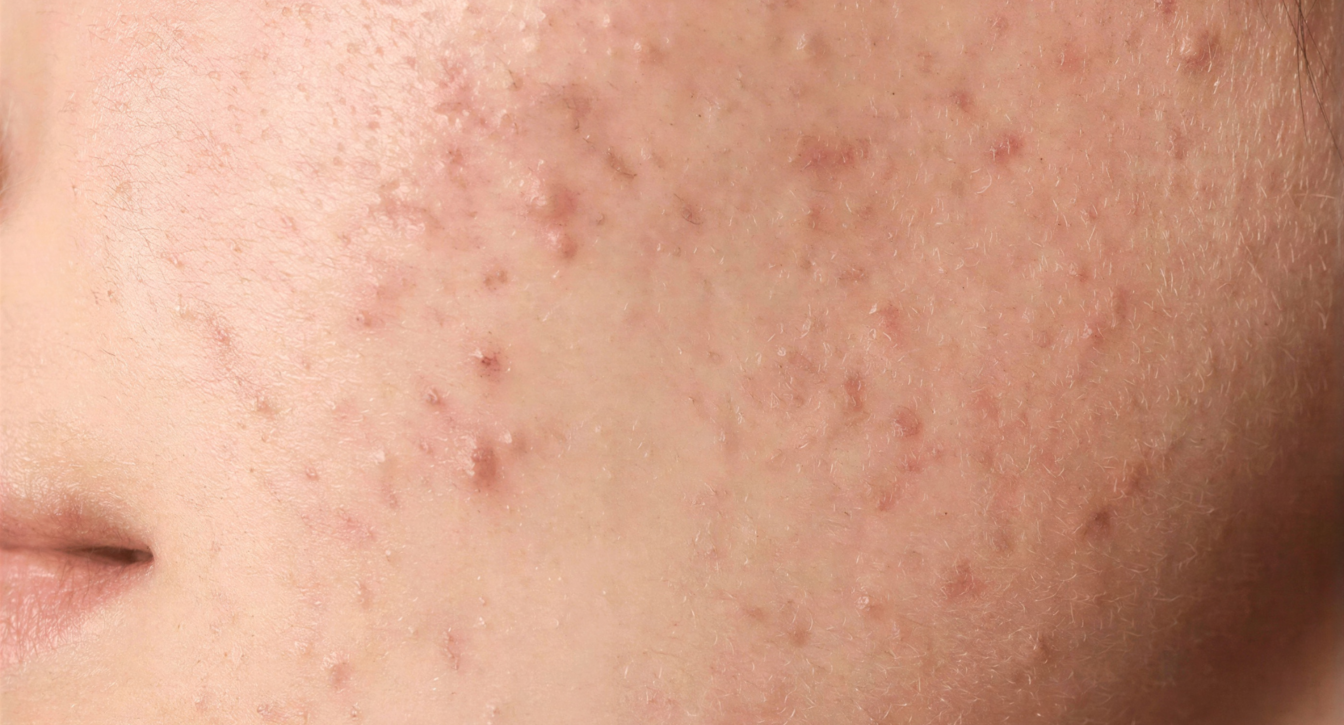
You cleanse your face thoroughly twice a day, buy products labeled “for problematic skin,” yet the small white bumps under the skin on your forehead, chin, and nose do not go away. Sound familiar? These are classic closed comedones — and the problem is not insufficient cleansing.
A closed comedone is a follicle blocked by a mixture of sebum and dead skin cells. Unlike an open comedone — a blackhead — where the pore is open and the contents oxidize, a closed comedone is “sealed” under a thin layer of skin. That is why you cannot simply “squeeze it out” or wash it away: it sits deeper, and rough mechanical pressure will only make the situation worse.
Why do they appear?
There are several causes, and they often act simultaneously:
Hyperkeratosis. The cells of the stratum corneum renew too slowly or stick together — and instead of naturally shedding, they clog the pores.
Excess sebum production. Genetically determined sebaceous gland activity, hormonal fluctuations — menstrual cycle, stress, insulin resistance — as well as fatty foods and dairy products in the diet can all increase sebum production.
Incorrect skincare. Comedogenic ingredients in cosmetics — certain oils, silicones, lanolin — overly rich textures and insufficient evening cleansing all create ideal conditions for comedones.
Lack of regular exfoliation. Without regular exfoliation, the dead skin layer thickens, pores narrow, and comedones become permanent “residents” of the skin.
The good news: a well-designed home routine with correctly selected active ingredients can genuinely solve this problem — without aggressive procedures and endless visits to a cosmetologist.
Acids against comedones: why they work
When it comes to home care for problematic skin with comedones, acids are the main tool. But it is important to understand which acids you need and how they work.
AHA acids — alpha hydroxy acids
Lactic, glycolic, and mandelic acids work on the surface: they dissolve the “glue” between dead skin cells, speed up exfoliation, and smooth the skin texture. Regular use of AHA acids prevents the stratum corneum from building up and helps prevent clogged pores.
BHA acids — salicylic acid
Salicylic acid is oil-soluble, and this is the key difference. It penetrates into the pore and dissolves the plug of sebum and dead cells from the inside. It is indispensable when working with comedones.
PHA acids — polyhydroxy acids
These molecules are larger than AHA molecules, so they act more gently and delicately, with less risk of irritation. This is an excellent choice for sensitive skin with comedones, as well as for those who are just starting to introduce acids into their routine.
Multi-acid complexes
The most effective approach is to combine several types of acids in one product. Each acid works at its own level: some exfoliate the surface, others penetrate deeper, and others help normalize sebum regulation. The result is a comprehensive effect without the need to use five different products.
Step-by-step home care for closed comedones
A proper skincare system is not ten jars on a shelf, but a few carefully selected steps that work in synergy. Here is a basic protocol for skin with comedones.
Step 1. Cleansing — the foundation of everything
Evening cleansing is the most important step. In the evening, the skin is at its most polluted: makeup residue, UV filters, dust, and sebum accumulated throughout the day.
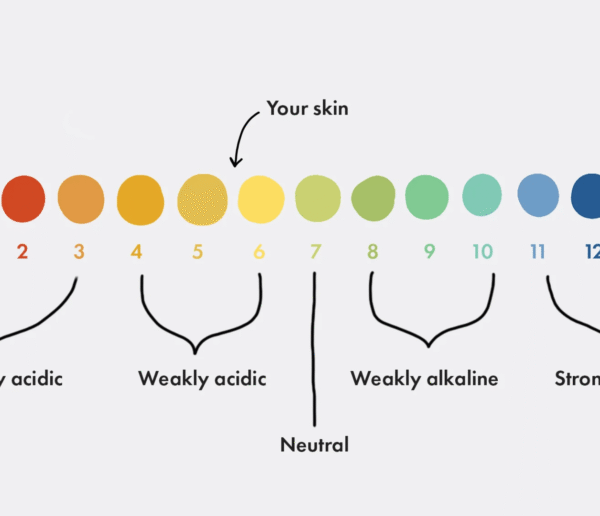
Choose gentle foams or gels with a neutral pH — 5.0–5.5 — without harsh sulfates. Double cleansing in the evening — hydrophilic oil or micellar water followed by a foam cleanser — significantly improves pore cleansing.
Important: hot water dilates blood vessels and irritates the skin, but it does not clean pores better. Wash your face with lukewarm or cool water.
Step 2. Regular exfoliation — the key to clear pores
This is the main step in fighting closed comedones. Without regular exfoliation, keratin plugs will keep forming again and again, no matter how carefully you cleanse your skin.
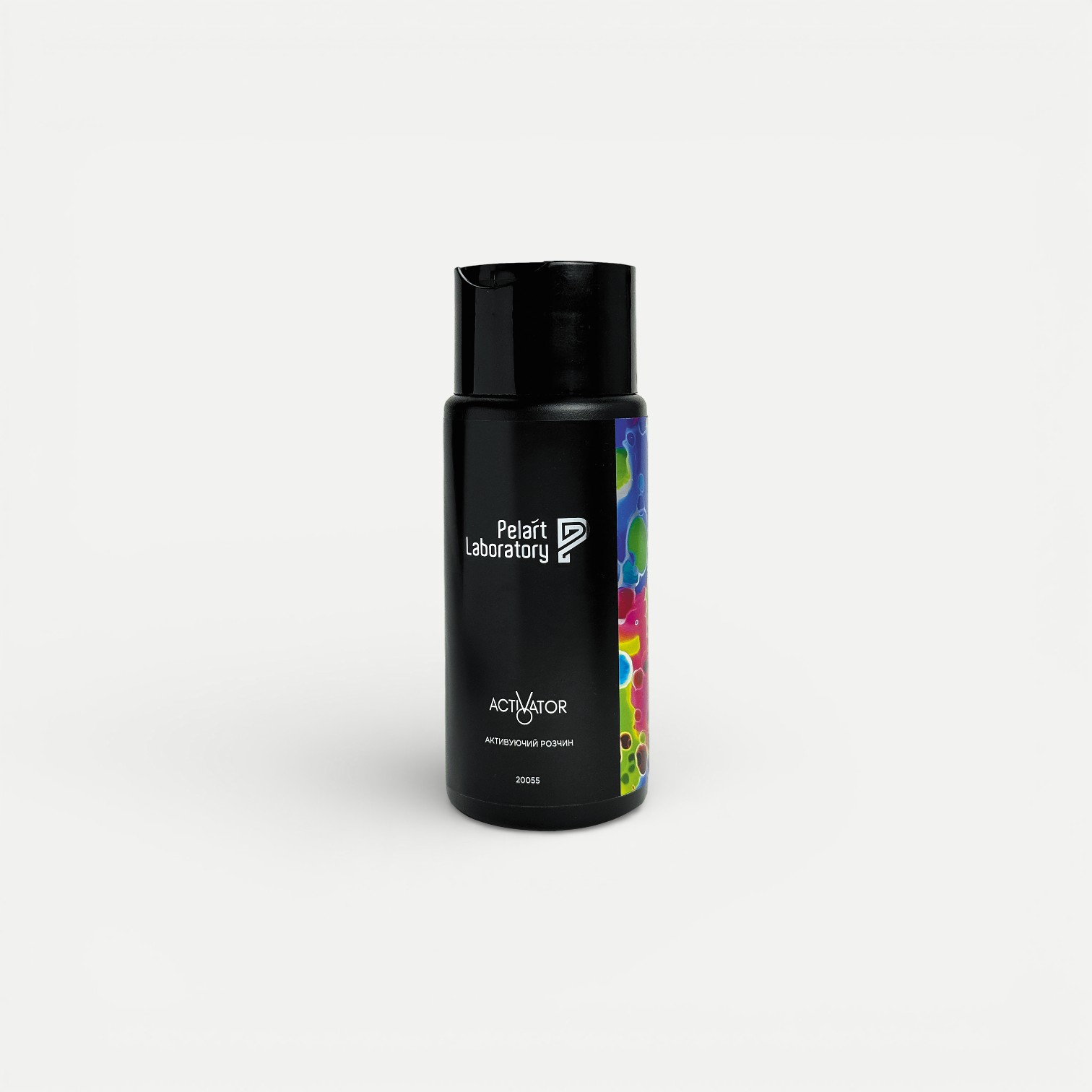
Cream-Paste “Lactic Peel,” Fruit and Acid Complexes, 250 ml by Pelart Laboratory is a delicate yet effective option for regular exfoliation. It is based on lactic acid and a fruit acid complex, which work more gently than granular scrubs but much deeper: acids dissolve the bonds between dead skin cells instead of mechanically “scraping” the surface.
The cream-paste format is easy to use: the product applies smoothly to damp skin, does not pill, and spreads evenly. The 250 ml volume is designed for long-term use — and this is especially important because fighting comedones requires consistency, not one-time use.
How to use: 2–3 times a week, in the evening, on pre-cleansed skin. Apply a thin layer, leave for 1–2 minutes, then rinse with warm water. Do not use together with other acid products on the same evening.
Step 3. Night care with active acids
Night is the best time for acid care. The skin is not exposed to UV radiation, it renews itself actively, and acids work under optimal conditions.
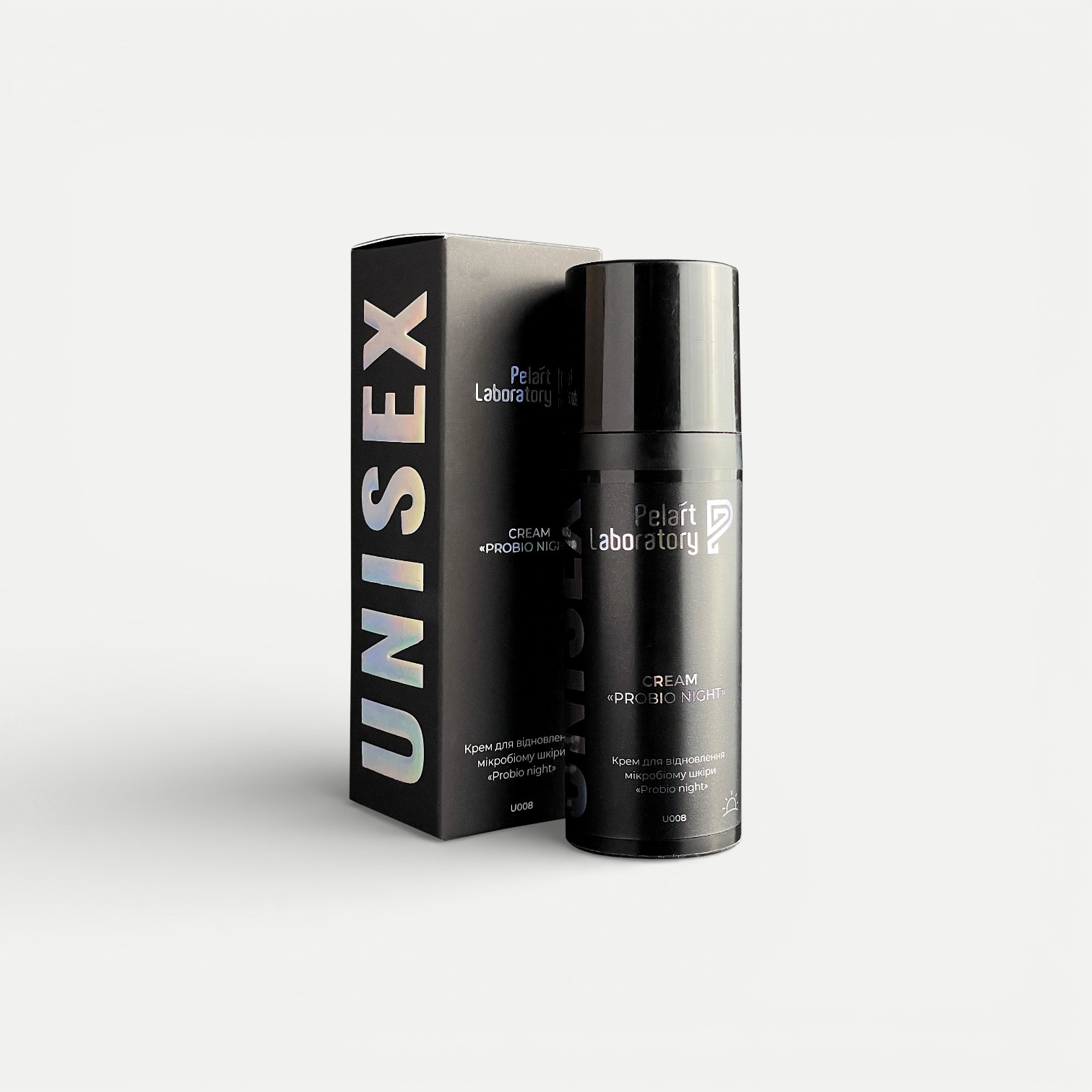
Unisex Night Serum “Poly-Acid” Peeling Serum, Unisex Probio Line, 30 ml by Pelart Laboratory is a multifunctional product that combines several types of acids — a poly-acid complex — with probiotic components. This combination solves two tasks at once: the acids accelerate renewal of the stratum corneum and free pores from accumulated contents, while probiotics support the balance of the skin microbiome and reduce the risk of irritation.
Why is this important? Aggressive acid care without microbiome support often leads to the skin becoming sensitive and reactive — and eventually producing even more sebum in response to stress. The Probio Line helps break this vicious cycle.
The 30 ml serum format means a high concentration of active ingredients and fast absorption — with no film-like or heavy feeling, which is especially comfortable for oily and combination skin.
How to use: apply to clean skin before night cream, 3–4 times a week. During the first 2 weeks, use every other day to allow the skin to adapt. Avoid applying to the eye area.
Step 4. Mask — boost and care
A mask is not a mandatory step, but it is exactly what can enhance the result and help you see a difference faster. For comedones, it is important to choose masks with a drying, sebum-regulating, or detox effect — not nourishing or oil-based masks.
Anti-Acne Alginate Mask, Almask Line, 30 g by Pelart Laboratory is a professionally developed mask based on alginic acid — a seaweed derivative — with an anti-acne complex. As the alginate mask sets, it creates a dense “blanket” that enhances the penetration of active ingredients into the skin while also providing draining and sebum-regulating effects.
Unlike clay masks, which often dry out the skin, the alginate formula works more gently and does not disrupt the hydrolipid barrier. This is especially important for combination skin, where the T-zone is oily while the cheeks may be normal or even dry.
How to use: 1–2 times a week. Mix the powder with room-temperature water according to the instructions, apply an even layer to a cleansed face, leave for 15–20 minutes until set, and remove in one motion from bottom to top. Ideally, use on days without the acid serum.
Step 5. Hydration — mandatory, even for oily skin
One of the most common myths is: “Oily skin does not need hydration.” In reality, dehydrated skin compensates for the lack of moisture by producing more sebum — which leads to more comedones, not fewer.
Choose lightweight, non-comedogenic textures: fluids, gels, and light emulsions. Essential ingredients include niacinamide — sebum regulation and barrier strengthening — hyaluronic acid for hydration, and zinc for its anti-inflammatory effect.
Step 6. SPF — every morning, without exception
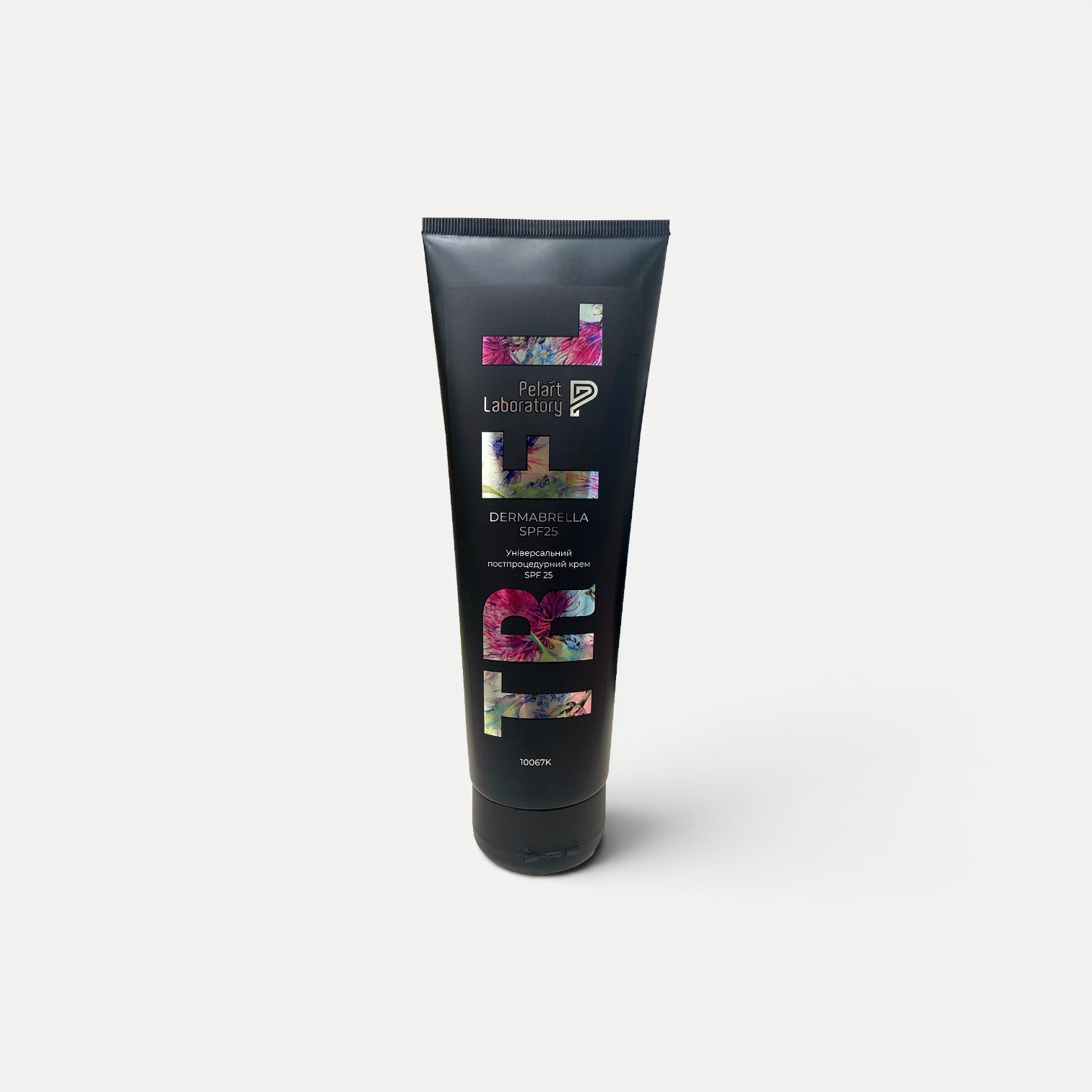
Acids increase the skin’s sensitivity to UV radiation. The sun is one of the main triggers of post-inflammatory hyperpigmentation. If you use acid care but do not apply SPF every morning, the effectiveness of your entire routine is reduced by half.
A SPF 30–50 with a lightweight, non-comedogenic texture is the mandatory final step of the morning routine.
One week of proper care: how to combine all products
One common question is: how can you use several active products without overloading the skin? Here is a simple guideline:
| Day | Evening routine |
|---|---|
| Monday | Cleansing → Night Serum Poly-Acid |
| Tuesday | Cleansing → Cream-Paste “Lactic Peel” → Hydration |
| Wednesday | Cleansing → Night Serum Poly-Acid |
| Thursday | Cleansing → Alginate Mask Almask → Hydration |
| Friday | Cleansing → Night Serum Poly-Acid |
| Saturday | Cleansing → Cream-Paste “Lactic Peel” → Almask Mask |
| Sunday | Cleansing → Restorative care without acids |
This routine gives the skin enough acid action for visible results without overloading the barrier.
What not to do: common mistakes in caring for skin with comedones
Squeezing closed comedones yourself. A closed comedone is sealed — when you try to squeeze it, the contents may break not outward but deeper into the skin. The result: inflammation, papules, and a risk of scars and pigmentation spots.
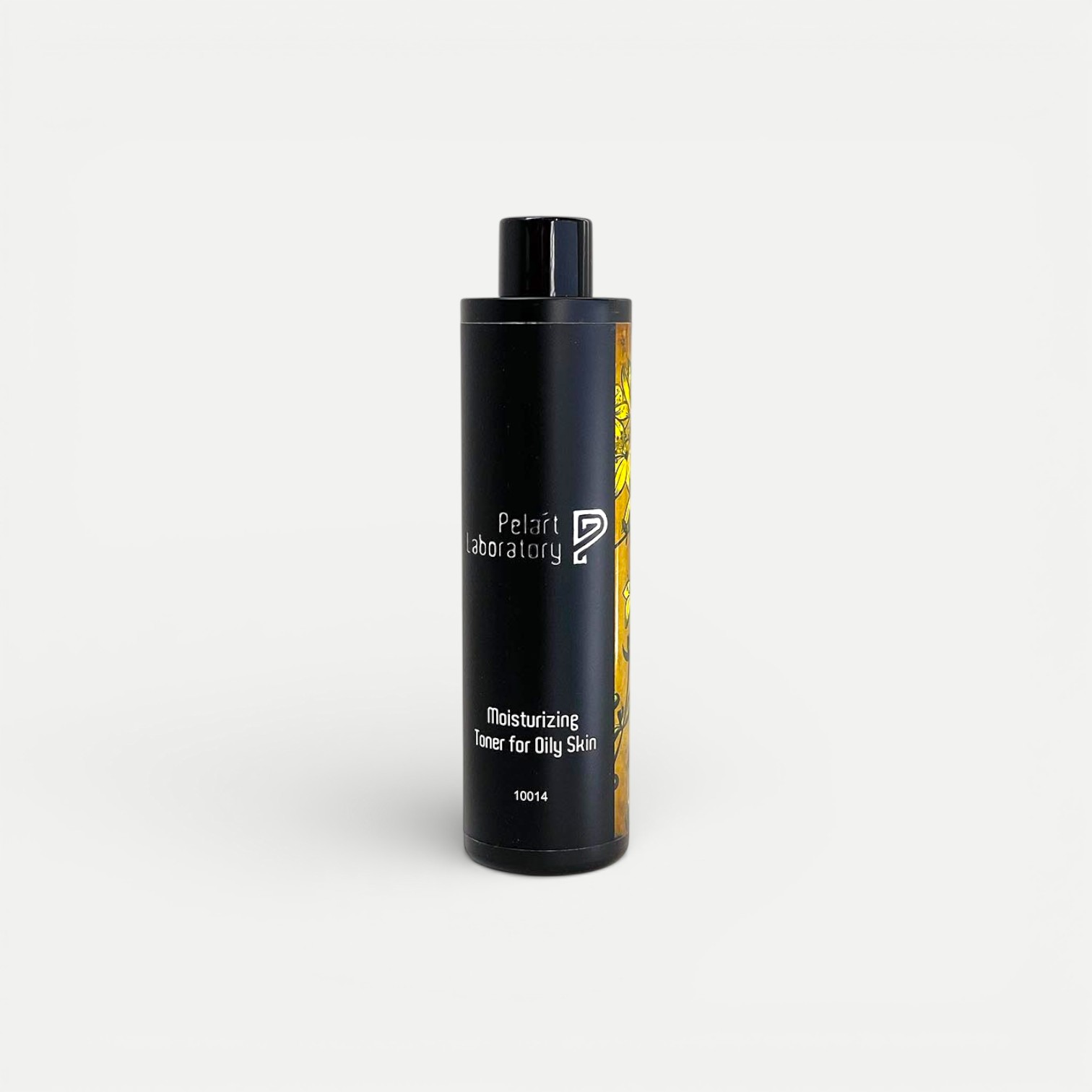
Using alcohol-containing toners. Alcohol gives a feeling of “cleanliness,” but it damages the barrier function and triggers compensatory hyperseborrhea — the skin produces more oil in response to overdrying.
Skipping evening cleansing. Even one missed evening can be enough: sebum mixes with SPF and dust particles and starts clogging pores.
Expecting instant results. The skin renews itself in cycles of 28–40 days. The first visible improvements with regular care appear after 3–4 weeks. Full reduction of comedones takes 8–12 weeks. This is normal and not a reason to change products every two weeks.
Using too many active products at once. Retinol + three types of acids + vitamin C in one evening is a direct path to irritation and barrier damage. Less, but regularly, is always more effective than “everything at once.”
When home care is not enough
If comedones do not decrease after 2–3 months of regular care — especially if inflammatory elements appear, such as papules, pustules, or cysts — this is a sign to consult a cosmetologist or dermatologist. Possible causes include:
- Hormonal imbalance — requires consultation with an endocrinologist;
- Demodicosis — skin affected by the Demodex mite, which requires specific medication;
- Moderate or severe acne — requires medical treatment.
A cosmetologist may also suggest professional procedures that can speed up results: ultrasonic cleansing, chemical peels, and device-based treatments. In combination with proper home care, the effect will be much faster and more noticeable.
Conclusion: what skin with closed comedones needs
Closed comedones are a solvable problem, but the solution requires consistency and patience. These are the key principles that work:
✔ Regular gentle exfoliation — Cream-Paste “Lactic Peel” 2–3 times a week
✔ Night acid care with microbiome support — Night Serum-Peeling Poly-Acid 3–4 times a week
✔ Sebum-regulating mask — Anti-Acne Alginate Mask Almask Line 1–2 times a week
✔ Lightweight non-comedogenic hydration every day
✔ SPF every morning — without exception
✔ Patience: at least 4 weeks until the first results, 8–12 weeks until a noticeable change
Proper skincare does not fight against the skin — it helps the skin work the way nature intended: renewing on time, maintaining balance, and staying clear.
All Pelart Laboratory products are available at pelartlabbenelux.com.